
Last updated November 2, 2026
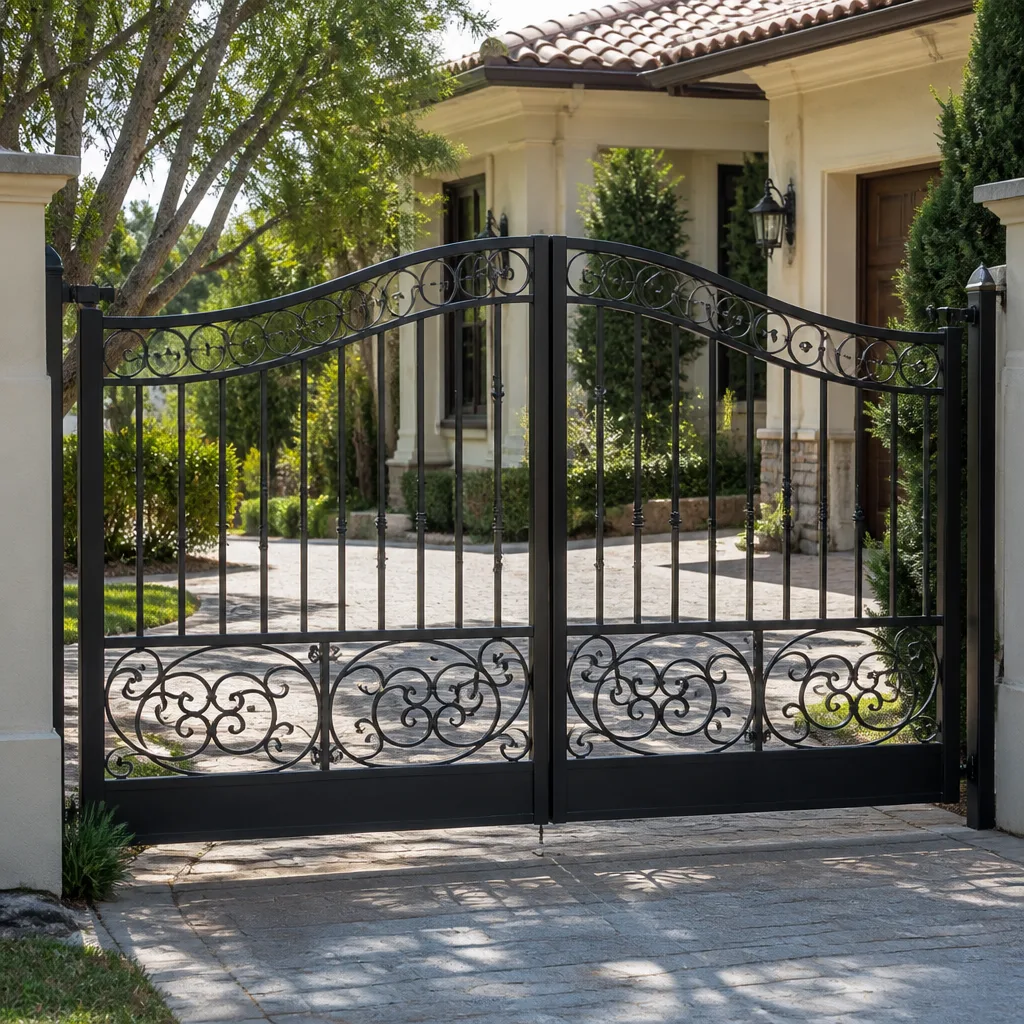 Wrought iron
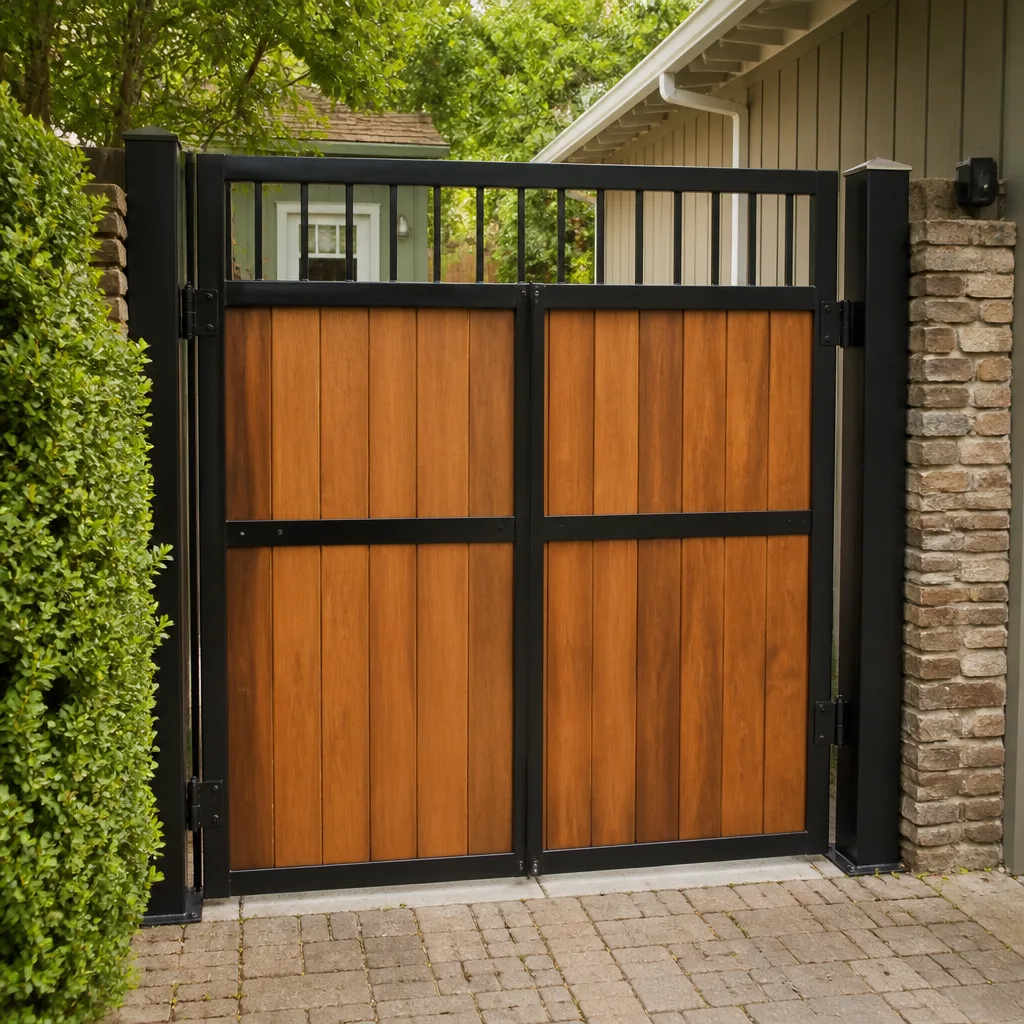 Wood & steel frame
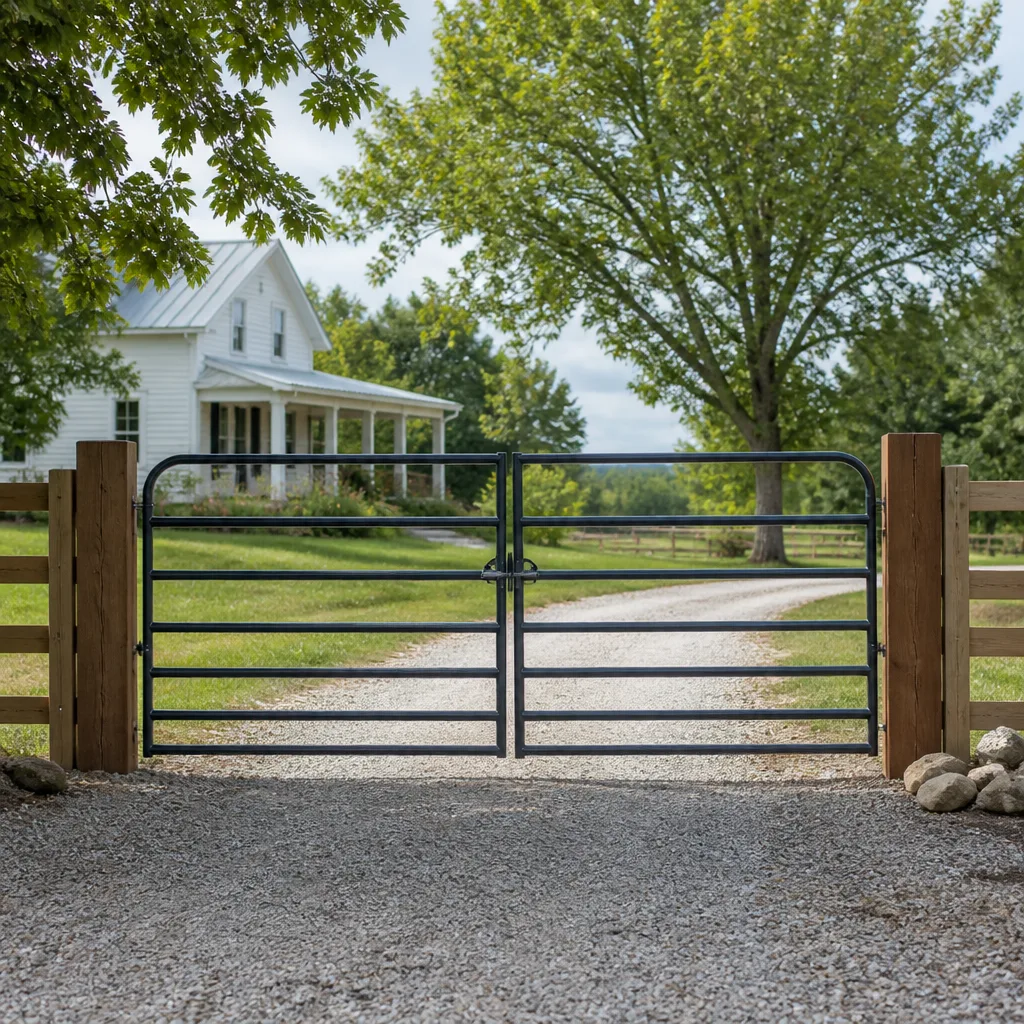 Farm & ranch
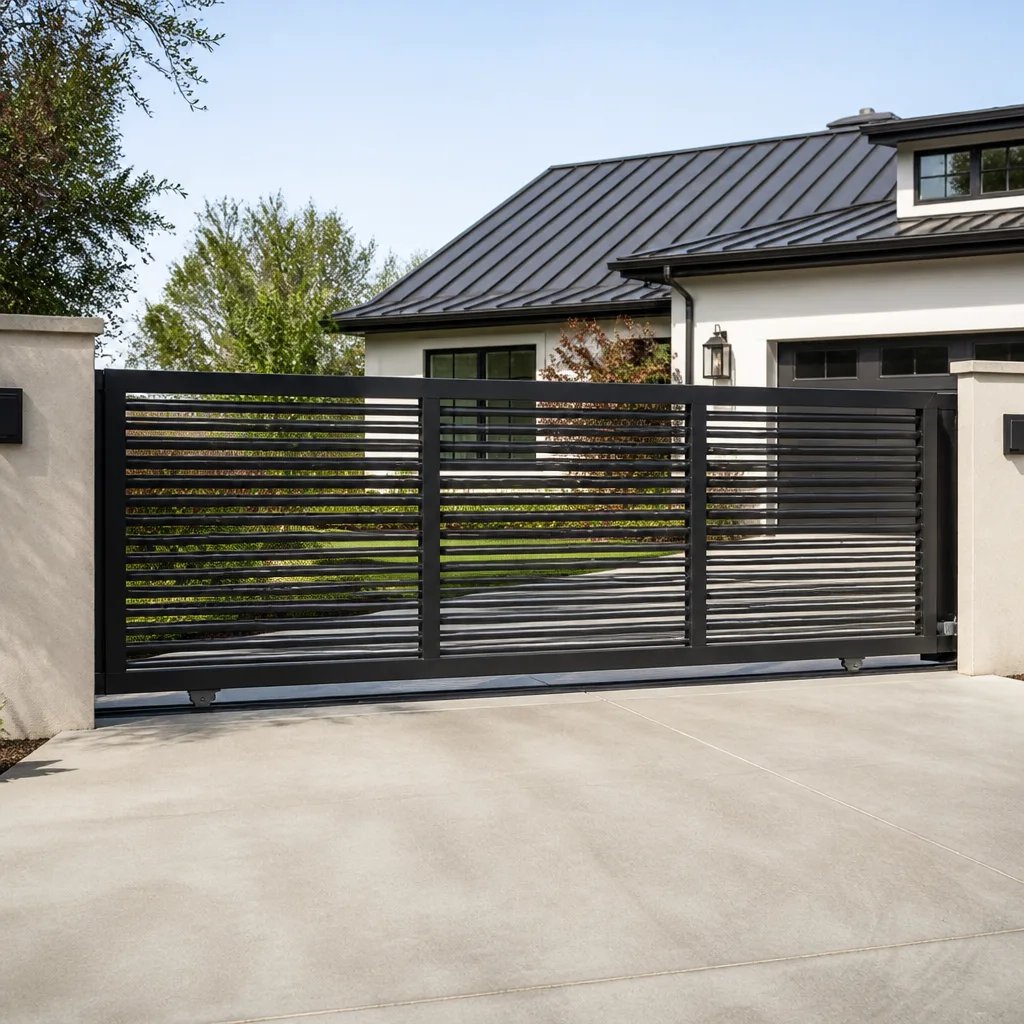 Sliding driveway gates
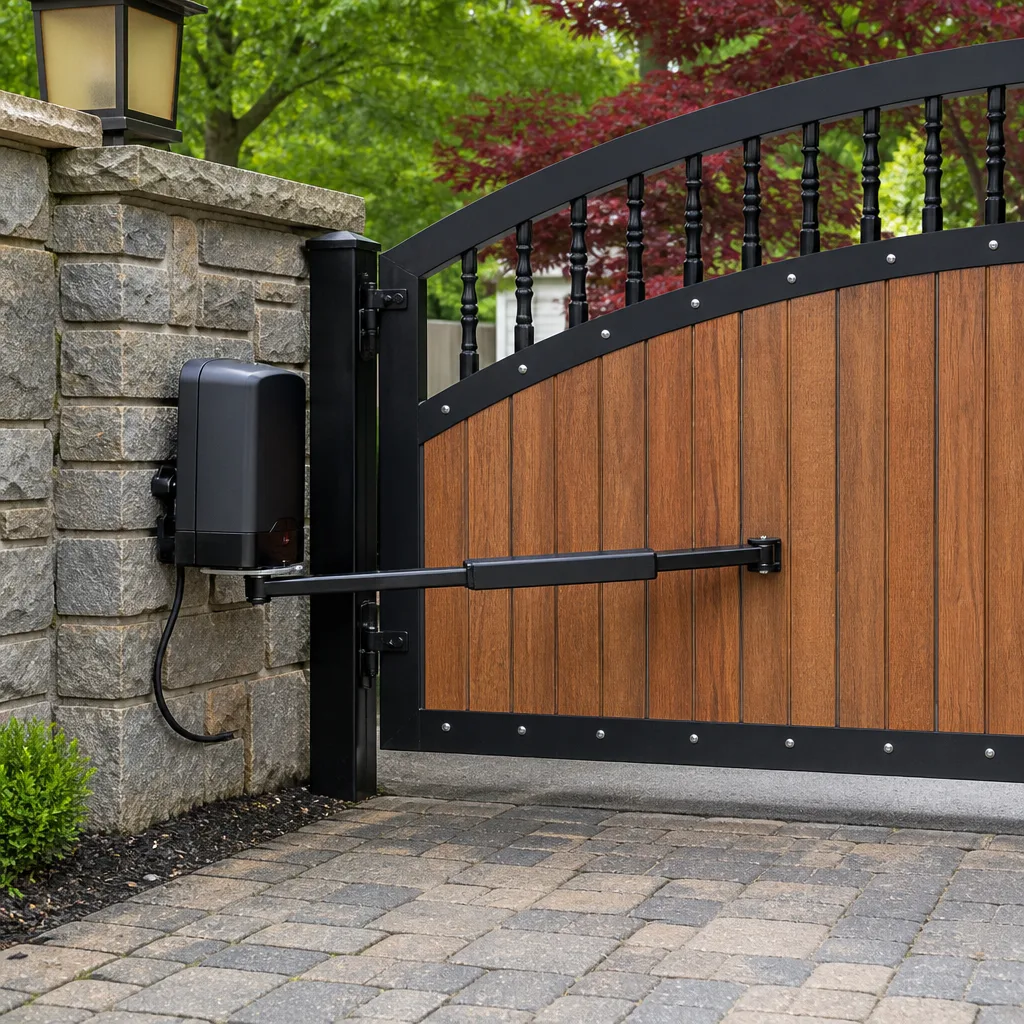 LiftMaster operators
Free on-site gate assessment - hinges, posts, and your LiftMaster or Nice gate operator checked before anything is quoted
The assessment is free and the quote is the invoice.
Get your free estimateGate Repair Emergency Preparedness Guide for San Clemente Homes
When a gate fails closed during a medical emergency, the average person who has never touched the manual release takes more than four minutes to locate it and get the gate moving. Four minutes of blocked access when every second matters. Most San Clemente homeowners don’t know where their manual release is until they’re standing in the driveway at 11 PM, flashlight in one hand, gate remote in the other, wondering why the motor hums but nothing moves. This guide changes that. You’ll learn the exact differences between a gate stuck open and a gate stuck closed, the specific manual release procedures for the six most common operators installed in San Clemente, what to do in the first 15 minutes of each scenario, and the pre-posted information that turns a panic situation into a two-minute protocol.
Styles & brands we work with
- Wrought iron
- Wood & steel frame
- Farm & ranch
- Sliding driveway gates
- LiftMaster operators
Quick Answer
The correct emergency response depends on whether your gate is stuck open or stuck closed. A stuck-open gate is a security priority: secure the property visually, disable auto-close if it keeps trying to cycle, and call a gate technician. A stuck-closed gate is an access priority: use the manual release to disconnect the motor and push the gate open by hand. Every household member should know both procedures before an emergency happens, and the phone number (866) 282-7403 should be saved now, not searched for during a failure.
Table of Contents
- Stuck Open vs. Stuck Closed: Why the Response Is Different
- Manual Release Procedures for San Clemente’s Six Most Common Operators
- First 15 Minutes: Gate Stuck Open
- Gate Stuck in Motion: Partial, Cycling, or Reversing Erratically
- Post-Emergency: Documenting the Failure Without Compromising the Diagnostic
- Emergency Contact Sheet: What to Post Before You Need It
- San Clemente-Specific Considerations: Coastal Climate, HOA Context, and Local Code
- Common Mistakes to Avoid
- When to Call a Professional
- Frequently Asked Questions
- The Bottom Line
Stuck Open vs. Stuck Closed: Why the Response Is Different
A gate that won’t close and a gate that won’t open are not the same emergency, and treating them as one leads to bad decisions. We’ve seen homeowners in San Clemente’s Talega and Forster Ranch neighborhoods try to force a stuck-closed gate with a car bumper, which turns a $200 motor issue into a $3,000 frame replacement. Understanding the difference changes your immediate response.
A gate stuck open means the property is exposed. Anyone can walk up the driveway. Pets can wander out. The home no longer has the perimeter barrier that justifies the insurance discount many coastal properties receive. The immediate priority is security, not convenience. You can still leave the house, so the pressure is lower, but the vulnerability window is indefinite until a technician arrives.
A gate stuck closed means access is blocked. Ambulances, fire trucks, and family members can’t get in. If your vehicle is trapped behind the gate, you’re stranded. This is the scenario where the manual release matters most, because it’s the difference between waiting on a technician and re-establishing access yourself in under two minutes.
We’ve seen both scenarios across San Clemente, from beach-adjacent properties off Avenida Del Mar to the gated communities in Rancho San Clemente. Climate plays a role in frequency: salt air corrodes hinges and circuit boards faster here than inland, which means coastal gate failures skew toward electrical and connection issues, while inland failures tend toward mechanical wear. Knowing which category your failure falls into shapes the first 15 minutes.
Manual Release Procedures for San Clemente’s Six Most Common Operators
Every electric gate operator has a manual release mechanism that disconnects the motor from the gate leaf, allowing the gate to be pushed open by hand. The mechanism differs by brand, and knowing your brand before you need it saves the four-minute fumble. Here’s what to look for on the six operators we service most often in San Clemente.
LiftMaster and Linear
- Locate the operator box mounted on the gate post or column.
- Find the small keyhole or release handle on the front or side panel.
- Insert the key if required (many models use a flathead screwdriver slot), turn counterclockwise, and pull the release lever or knob outward.
- Push the gate leaf away from the closed position by hand. The gate should move freely once disengaged.
- To re-engage, push the gate back to the closed position and push the release lever back inward until it clicks.
FAAC and BFT
- These Italian-built operators typically use a release key housed on the hydraulic or electromechanical piston.
- Look for a small black or red release knob near the base of the piston where it attaches to the gate leaf.
- Pull the knob outward or turn it 90 degrees, depending on the model year.
- With the motor disengaged, the gate leaf can be pushed manually. FAAC hydraulic arms may require slightly more effort than BFT electromechanical units.
- Re-engage by pushing the gate to center and pressing the release knob back in.
Viking and Ghost Controls
- Viking operators on slide gates typically have a release handle on the top of the operator housing marked with a padlock symbol.
- Pull the handle up and toward you to release the chain or belt drive from the gate.
- For swing gates, look for a pull chain or release arm near the operator arm pivot point.
- Ghost Controls residential units use a quick-release pin on the articulated arm. Pull the spring-loaded pin out of its slot to free the arm from the gate bracket.
- Slide the gate manually along its track or push the swing leaf open. Re-engage by reversing the motion until you feel the lock engage.
If your gate was installed before 2015 and you’re not sure which brand you have, the operator housing usually carries a metal plate with the brand name. For gates without a visible plate, a technician can identify the brand on sight during the first service call.
First 15 Minutes: Gate Stuck Open
The moment you notice your gate is stuck open and won’t close, begin a short sequence that protects the property while you wait for Gate Repair in San Clemente support to arrive or a technician to reach you.
- Turn off the auto-close function. If the gate keeps trying to cycle and fails mid-swing, it may be attempting to close every 30 to 60 seconds. Find the control board (usually inside the operator box) and flip the main power switch to off. This stops the repetitive cycling that could overheat the motor or burn out a capacitor.
- Position a vehicle or physical barrier if the opening is wide enough. For a double swing gate stuck fully open across a wide driveway, park a car diagonally across the opening if it doesn’t block the street or sidewalk. For a single gate, a trash bin or ladder laid across the entry can create a visible and physical stopgap that slows an opportunistic walk-up.
- Check the photo eyes and safety loops. San Clemente’s coastal fog and salt film can coat the photo eye lenses on gates near the beach, causing false obstruction signals that keep the gate from closing. Wipe the lenses with a dry cloth. If the gate immediately responds, the issue was environmental, not mechanical.
- Note any unusual sounds or smells from the operator. A grinding noise suggests a stripped gear. A burnt smell points to an overheated transformer. Both observations are gold for the technician diagnosing the unit before the service call.
- Lock down access points to the house itself. The gate is the first perimeter, not the last. Ensure the front door, garage entry door, and any side gates are locked until the gate system is restored.
The gate stuck open is a security problem, not a mobility problem. You can still drive out for work or school runs. Treat the period until repair as a temporary adjustment: you’re relying on the house door locks and visual deterrents instead of the perimeter gate.
Gate Stuck in Motion: Partial, Cycling, or Reversing Erratically
A gate that stops mid-swing, reverses before closing, or cycles open and closed on its own is exhibiting entrapment protection behavior. The safety system is detecting an obstruction, real or false, and attempting to avoid injury. This is normal operation of the safety logic, even though the gate’s behavior looks broken. Here’s what to do.
- Cut power to the operator immediately. Use the main power switch on the control board or the dedicated circuit breaker labeled in your electrical panel. A gate that is cycling unpredictably poses an entrapment risk to children, pets, and anyone near the gate leaf path.
- Do not attempt to stop the gate with your body or an object. The torque on a 1/2-horsepower slide gate operator is enough to crush a hand or pin a leg against the full-height gate frame. Let the gate finish its cycle, then cut power.
- Inspect the track or hinge path for debris. San Clemente’s eucalyptus-dense neighborhoods like Shorecliffs drop leaves, bark strips, and seed pods into slide gate tracks constantly. A single eucalyptus pod wedged in the track triggers the obstruction sensor and sends the gate into reversal mode.
- Check the gate wheels and rollers. A worn roller stuck at a 45-degree angle can cause the gate to bind mid-travel, tripping the obstruction sensor and reversing direction. The gate hangs up, reverses, hangs up, reverses.
- After removing debris, restore power and test one full cycle. If the gate completes a full open and close without stopping, the obstruction was physical. If the behavior persists, the issue is likely a failing limit switch, control board fault, or a misaligned photo eye. Leave power off and call for service.
Never bypass or tape over a safety edge, photo eye, or loop detector to force a gate to close. The entrapment protection exists because gates have seriously injured people when those systems failed. We remove bypasses on nearly every older San Clemente gate we service, because a previous owner or handyman thought the sensor was “annoying.” It’s there for a reason.
Post-Emergency: Documenting the Failure Without Compromising the Diagnostic
Before the technician arrives, a five-minute documentation routine saves both time and money. The information you gather now guides the diagnostic, and knowing what not to touch keeps the evidence intact.
What to document:
- Record the exact behavior. “Gate opens halfway, stops for 3 seconds, reverses to closed” is far more useful than “it’s broken.”
- Note the time of day and weather conditions. Coastal fog, heavy dew, or a recent heat wave can point toward condensation or expansion issues.
- Take a 20-30 second video of the gate attempting a cycle with the sound on. The audio of the motor straining, grinding, or clicking tells the technician more than you can describe.
- Write down any recent work performed on the gate or adjacent landscaping. A tree trimmer bumping the gate track or a sprinkler valve replaced near the underground conduit can be the trigger.
- List the remote controls and keypads that are not working. If the wall button works but the remote doesn’t, the problem is in the receiver, not the motor.
What not to touch:
- Do not open the control board cover and attempt to reseat wires. Modern boards like those in BFT and Viking operators are static-sensitive and a loose wire is rarely the root cause.
- Do not adjust limit switches. A wrong adjustment sends the gate past its normal stopped position and can bend the gate frame against the stop post.
- Do not spray lubricant into the operator housing unless specifically directed by a technician. WD-40 on a circuit board or optical sensor creates a new problem on top of the existing one.
- Do not reset the breaker more than twice. Repeated resets on a faulted system can weld contactors and escalate a board-level repair to a total operator replacement.
Emergency Contact Sheet: What to Post Before You Need It
The four-minute fumble is not just about the manual release. It’s about not knowing who to call, what to say, or where the circuit breaker is. A laminated sheet posted inside the garage door jamb or on the side of the refrigerator removes every one of those delays.
Print this list and fill in the blanks for your household:
- Gate technician: Gate Repair San Clemente at (866) 282-7403. Save this number in your phone under “Gate” so voice assist can dial it hands-free during an emergency.
- Circuit breaker location: Write the exact panel position for the gate operator circuit. Typically a dedicated 20-amp breaker labeled “Gate” or “Operator,” but older San Clemente homes may share a circuit with landscape lights or a pool pump.
- Manual release location: Describe in one sentence where the release is and which motion operates it. “Black knob on the motor side of the gate, pull straight out” is enough when you’re at the gate.
- HOA or property manager contact: For gates shared across a community, the HOA’s gate vendor may have a different service contract than a private homeowner. Call both when appropriate.
- Utility locate service (DigAlert): For any issue involving underground conduit, call 811 before any excavation. A repaired gate with a punctured gas line is a worse problem than the original.
- Neighbor who has a key or gate code: If the gate fails while you’re away, a trusted neighbor who can toggle the system off or let the technician in is worth more than any documentation.
San Clemente-Specific Considerations: Coastal Climate, HOA Context, and Local Code
San Clemente’s marine layer is not kind to gate hardware. Properties west of the 5 freeway, especially in the Pier Bowl, Southwest San Clemente, and the beach flats, see accelerated corrosion on exposed metal components. Gate hinges, limit switch housings, and control board enclosures that would last 12 years in Talega might fail in 7 years a half-mile from the beach. The failure is rarely sudden: it’s a gradual buildup of salt film that bridges electrical contacts and shorts low-voltage circuits.
For coastal homeowners, the emergency you’ll most likely face is a gate that opens but won’t close, caused by a false obstruction signal from a corroded photo eye or a safety loop that has shorted in the saline soil. In our experience, more than half of the stuck-open calls we respond to between El Camino Real and the beach are sensor corrosion issues, not motor failures.
HOA-governed communities like those in Rancho San Clemente and the gated enclaves off Avenida Pico have an additional layer: the gate and its operator may be common-area property, which means the HOA’s maintenance contract governs the repair. Homeowners in these communities should know the HOA’s gate emergency number in addition to a private technician’s number, because authorization protocols differ. A private gate technician can still perform the work, but the HOA may need to approve the spend or provide the gate security code beforehand.
City of San Clemente building code requires all automated gates to meet current UL 325 entrapment protection standards, which mandate photo eyes, safety edges, or both. If your gate was installed before 2016 and has never been upgraded, the safety system may not meet current standards. Electric Gate Repair in San Clemente often includes upgrading these safety devices during a repair call, because the older hardware frequently cannot be sourced and UL compliance is a code requirement, not an option.
Common Mistakes to Avoid
- Forcing the gate with a vehicle. The gate leaf, hinge post, and operator arm are not designed to resist a 4,000-pound car pushing against them. The repair cost from a forced gate in San Clemente routinely exceeds the cost of the original fix by a factor of five.
- Ignoring a gate that “sometimes” sticks. Intermittent failures are harder to diagnose because the gate works when the technician arrives. Documenting the failure with video on the day it happens is the most valuable thing a homeowner can do for the eventual repair.
- Resetting the breaker repeatedly. A tripped breaker is a symptom. Resetting it multiples times accumulates damage on the control board and can turn a simple relay replacement into a full operator swap.
- Spraying lubricant on the safety sensors or control board. Household lubricants attract dust and create a film that blocks the photo eye or insulates electrical contacts. If lubrication is needed, a technician uses a specific dielectric or lithium product, not a general aerosol.
- Waiting to replace a corroded hinge until it fails. Coastal salt air in San Clemente accelerates hinge wear on beach-adjacent properties. A hinge that squeals for six months eventually seizes, shears its mounting bolts, and drops the gate leaf onto the ground.
- Assuming the gate warranty covers the repair. Operator warranties typically cover the control board and motor for 2 to 5 years, but almost none cover labor, and many void the coverage if the gate was not installed by a licensed contractor. Verify your warranty before assuming the repair is free.
- Not testing the manual release until the emergency. The manual release procedure takes two minutes to learn in daylight and four minutes to fumble in the dark. Every adult in the household should open the gate manually once, just to feel the weight and know the motion.
When to Call a Professional
Manual release solves an access problem. It does not solve the underlying gate failure. If the gate motor hums but doesn’t move, if the gate reverses mid-cycle repeatedly, if the operator makes a grinding sound, or if the control board shows an error code, the system needs a trained eye. These are not situations where more YouTube research helps. Gate operators carry lethal stored energy in their springs, chains, and capacitor banks, and the difference between a 30-minute fix and a week of downtime is usually the first hour after failure. Gate Installation in San Clemente clients often learn this the hard way when a neglected repair turns into a replacement. Gate Repair San Clemente offers free estimates in San Clemente for both residential and commercial gate systems. Call (866) 282-7403 and describe the failure; we’ll help you determine whether it’s an emergency call-out or a scheduled appointment.
Frequently Asked Questions
Emergency gate repair in San Clemente is priced by the job, and we give you the price before we start. Parts and labor for the actual repair are additional and quoted before work begins. Call (866) 282-7403 for a free estimate on your specific gate failure.
Cut power to the operator to stop it from cycling, position a visible barrier across the opening if possible, lock all house doors, and call a gate technician. The priority is securing the property’s inner perimeter while you wait for service. A gate that is stuck open is not a lockable barrier, so treat the house itself as the first line of defense.
Yes, for emergencies where the gate is stuck open or blocking vehicle access, same-day dispatch in San Clemente is available when you call (866) 282-7403 before midday. A stuck-closed gate that is preventing a vehicle from leaving is treated with the same urgency as a stuck-open one. New installations and non-emergency upgrades are scheduled, not dispatched.
The manual release on a LiftMaster gate operator is a small lever or keyhole on the side of the operator housing. Insert a key or flathead screwdriver into the release slot, turn it counterclockwise, and pull outward to disengage the motor. Push the gate leaf open by hand, then re-engage the release by pushing it back in until it clicks.
We service all of San Clemente, including the Pier Bowl, Southwest San Clemente, Forster Ranch, Talega, Rancho San Clemente, Shorecliffs, and the coastal communities along El Camino Real. Beach-adjacent properties get priority in corrosion-related failures because the salt air accelerates operator wear.
Yes, electrical work is part of every automatic gate installation we perform, from the control board wiring to the underground power run to the safety edge and photo eye installation. If you’re replacing a manual gate with an automatic system, the electrical scope is included in the Gate Installation in San Clemente quote, not billed as a separate trade.
The Bottom Line
Gate emergencies in San Clemente break down into two categories that demand different responses: a stuck-open gate is a security event and a stuck-closed gate is an access event. Every household member should know the manual release procedure for their specific operator brand, and that procedure should be practiced once in daylight before it’s needed in the dark. The first 15 minutes after a failure determine whether the situation is a controlled inconvenience or a compounding problem with a bigger bill. Post the emergency contact sheet, save (866) 282-7403, and treat the gate system like the perimeter security it is. For more on this topic, start at the Gate Repair San Clemente home page or go directly to Gate Repair in San Clemente for service specifics.
Written by the team at Gate Repair San Clemente, serving San Clemente since 2012.
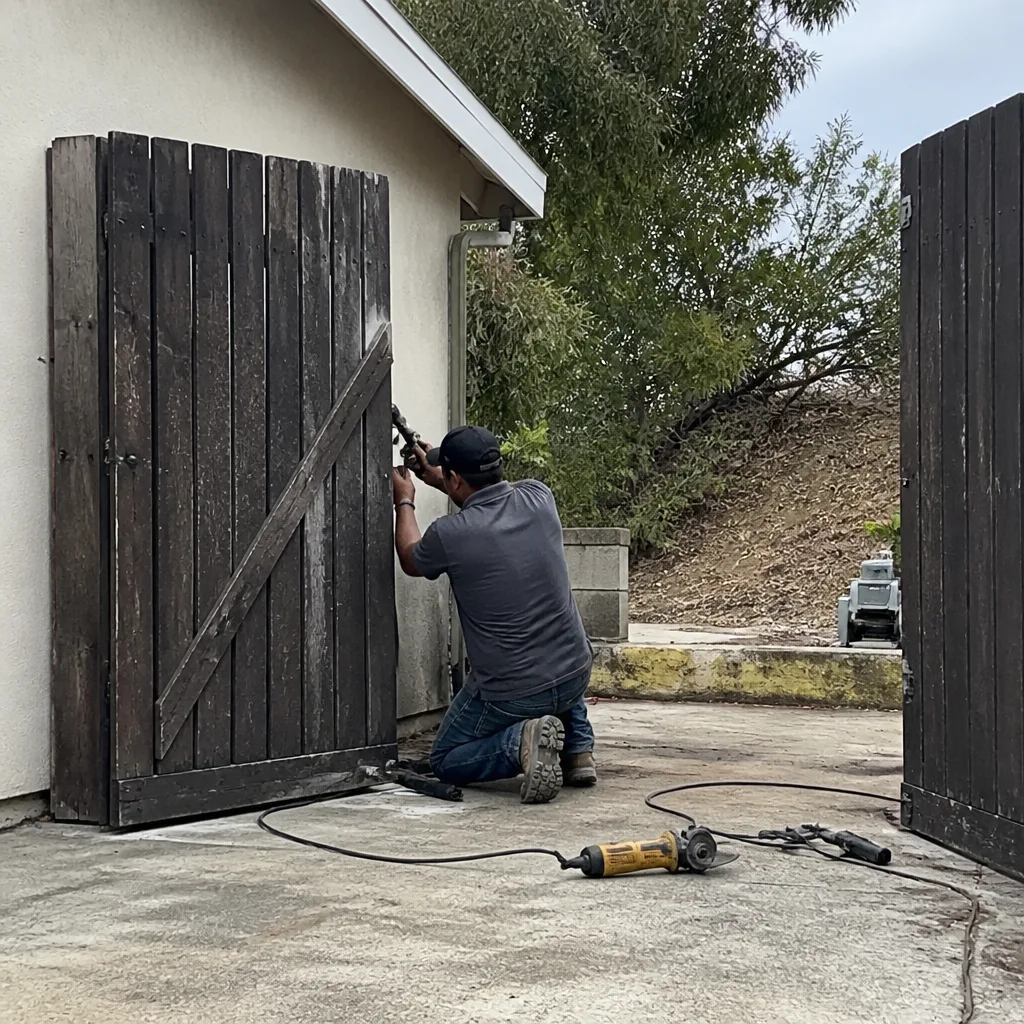
See the difference
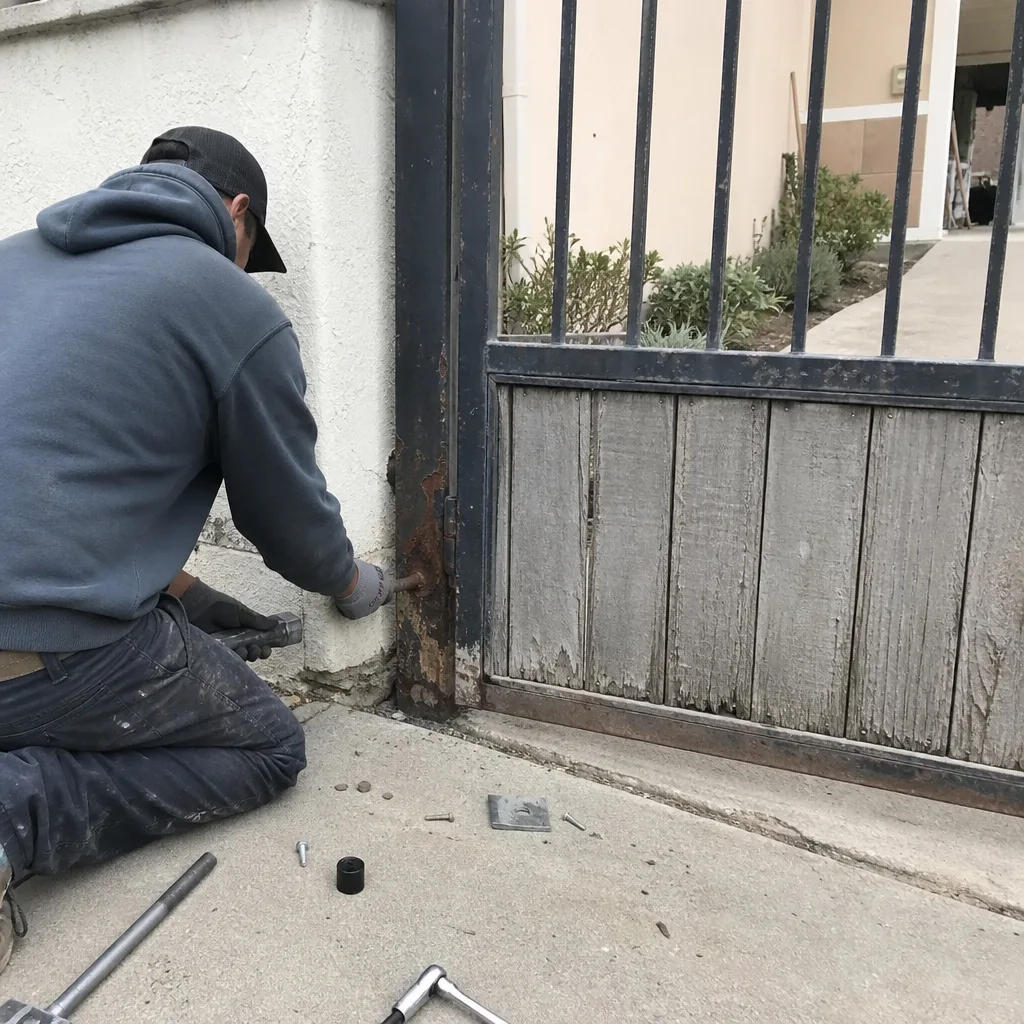 Before
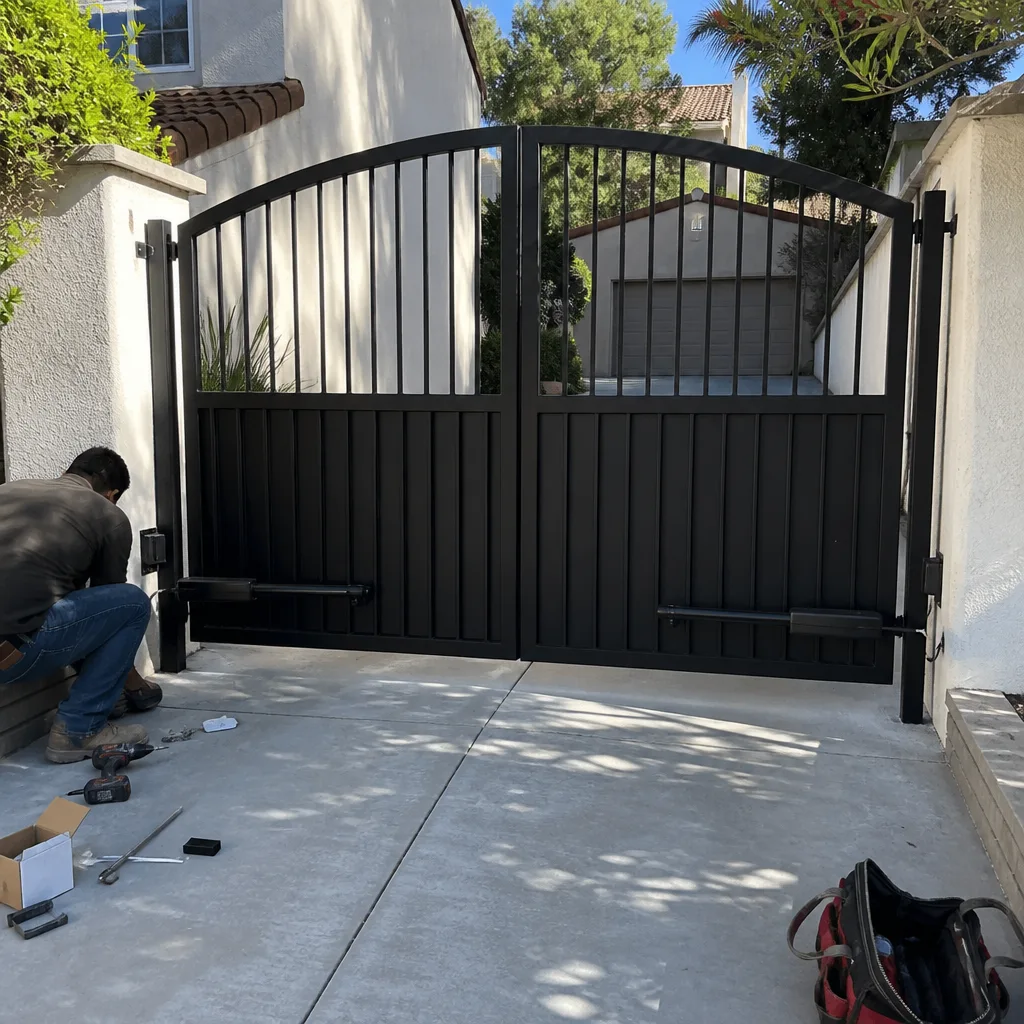 After
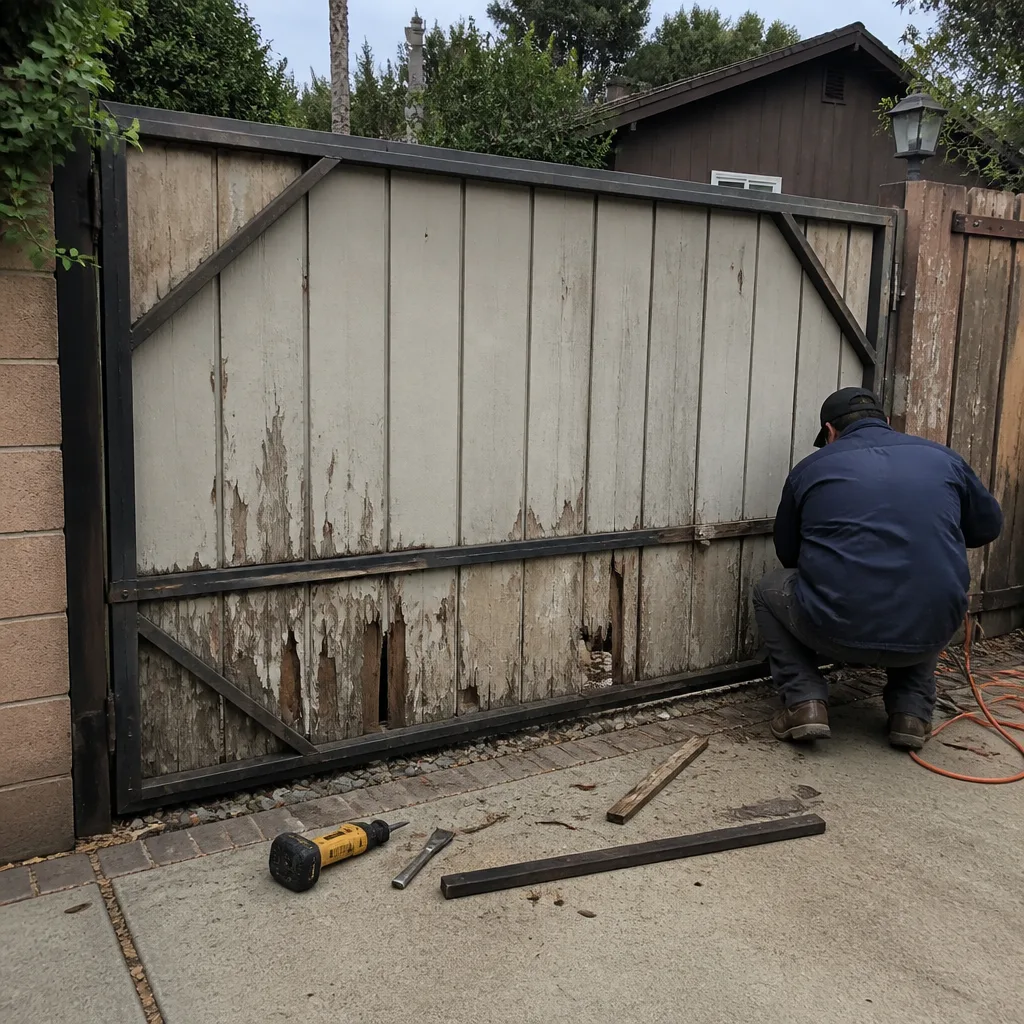 Before
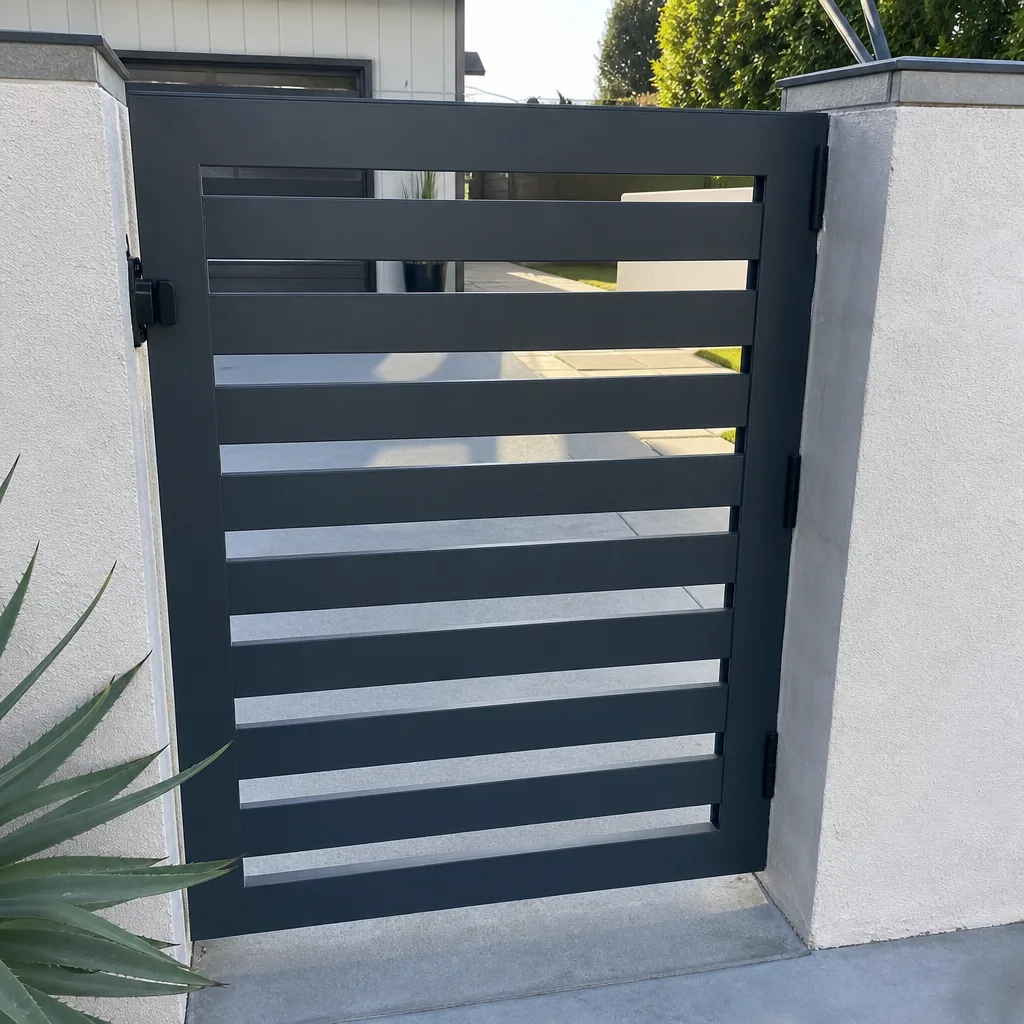 After
 Before
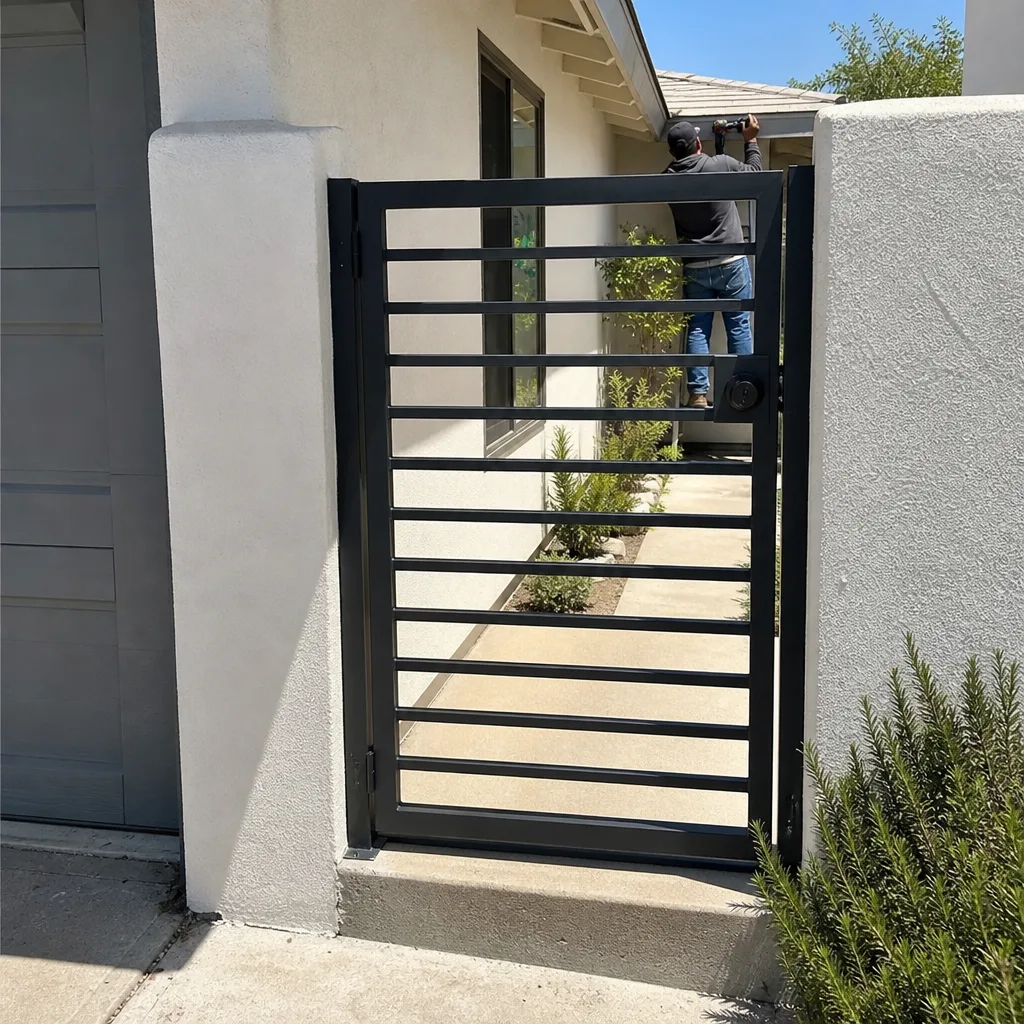 After