
Last updated November 2, 2026
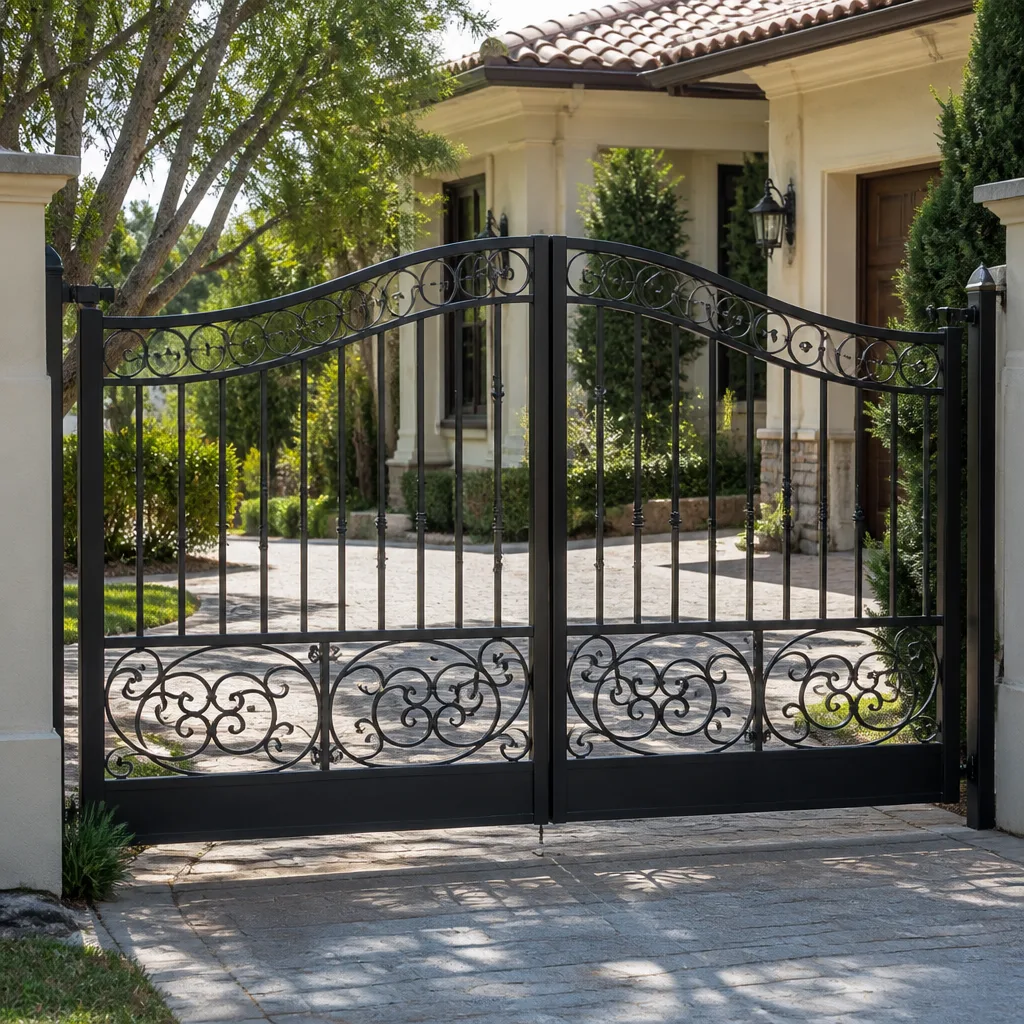 Wrought iron
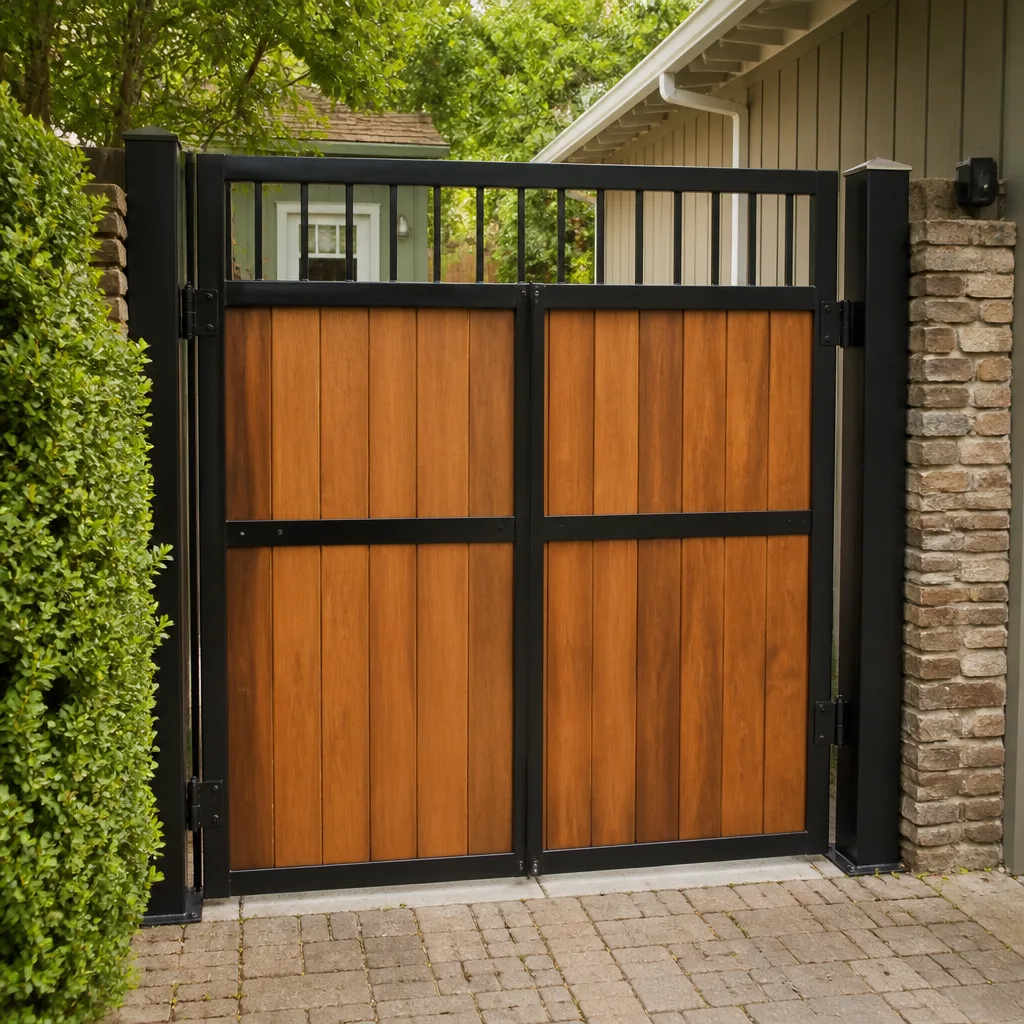 Wood & steel frame
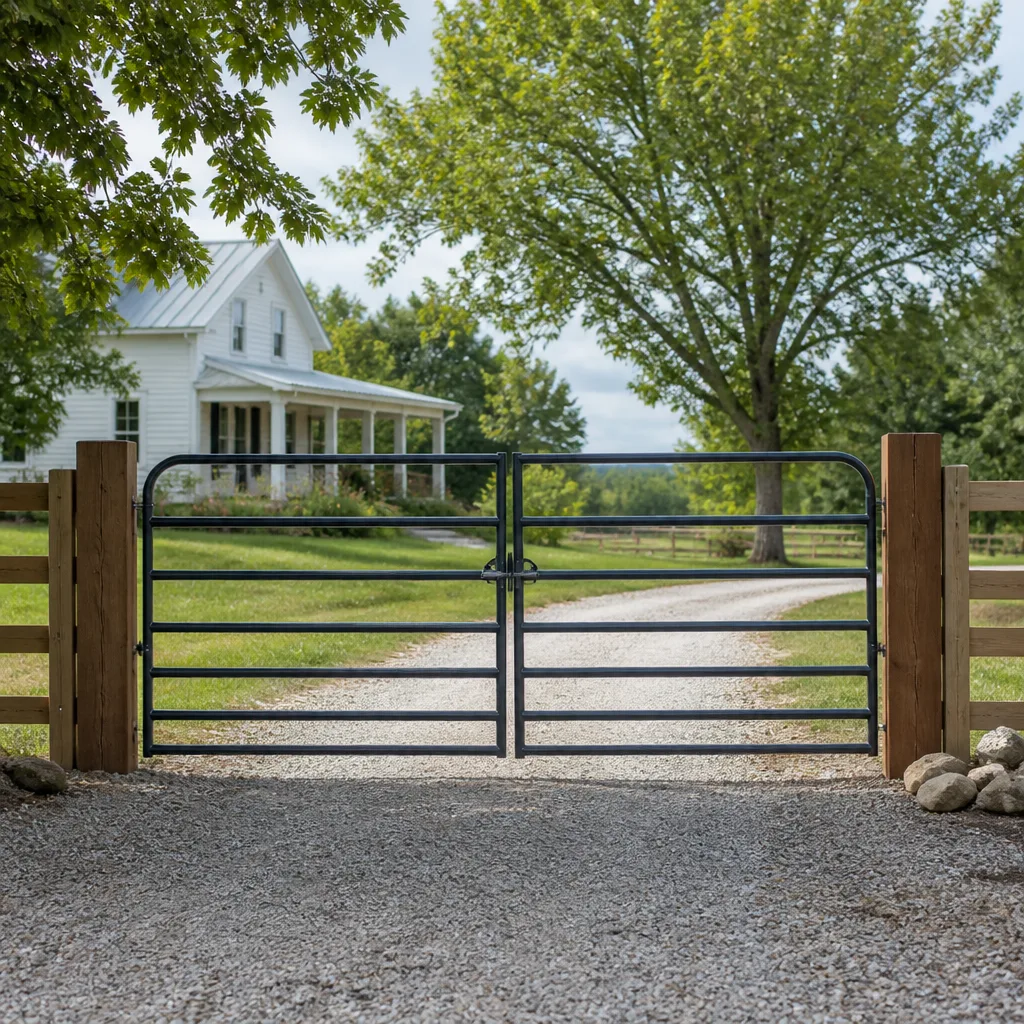 Farm & ranch
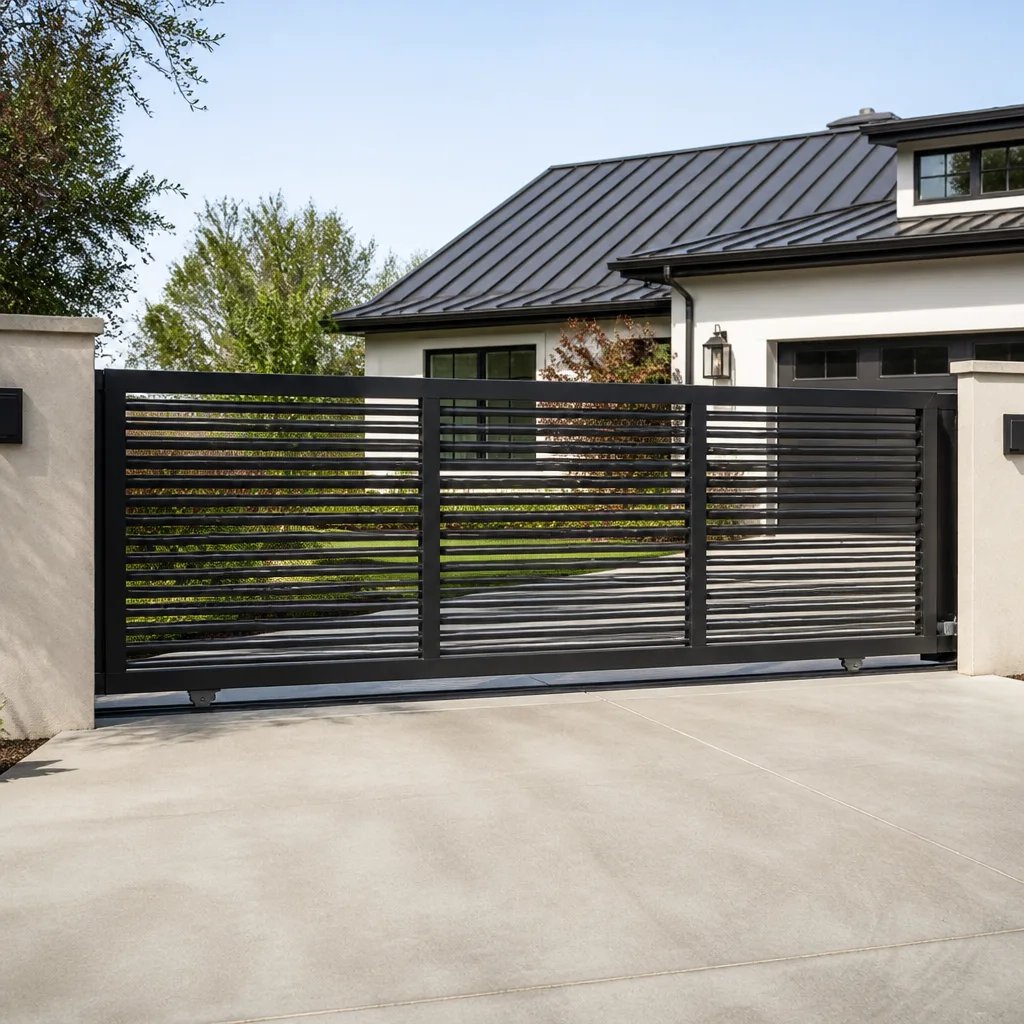 Sliding driveway gates
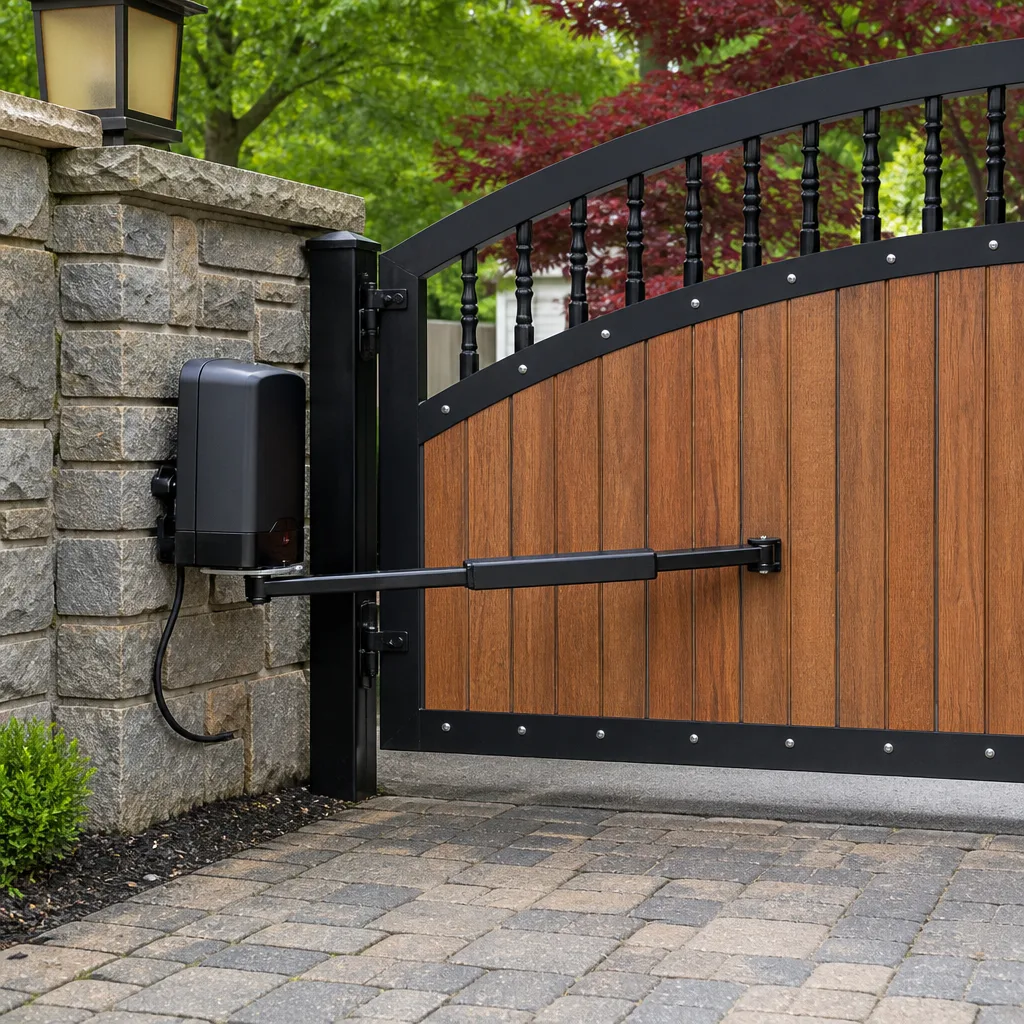 LiftMaster operators
Free on-site gate assessment - hinges, posts, and your LiftMaster or Nice gate operator checked before anything is quoted
The assessment is free and the quote is the invoice.
Get your free estimateGate Repair Warning Signs: A San Clemente Homeowner’s Reference Guide
A gate that hesitates for half a second before moving isn’t “just the way it works.” It’s a motor straining against a mechanical load problem that has been building since the last hinge adjustment. Most gate failures announce themselves weeks or months before the gate finally stops working, but homeowners dismiss the signs because the gate still opens and closes. This guide decodes the specific sounds, behaviors, and visual cues that are early warnings, not normal operation, so San Clemente homeowners can act before an inconvenience becomes an emergency. For more guides & resources, see our blog. You’ll learn what your gate is telling you, which warnings allow a scheduled appointment, and which ones mean you should call someone today.
Styles & brands we work with
- Wrought iron
- Wood & steel frame
- Farm & ranch
- Sliding driveway gates
- LiftMaster operators
Quick Answer
Gate repair warning signs fall into four categories: sounds (grinding, clicking, pitch changes in the motor hum), behavior (hesitation, slow cycles, auto-reversals mid-travel), visuals (rust blooms near welds, paint bubbling, concrete heave at gate posts), and control board signals (flashing LEDs on LiftMaster, FAAC, BFT, Linear, Viking, and DoorKing operators). If your gate makes any noise it didn’t make when new, moves slower than it did a month ago, or reverses without being triggered, those are not quirks. They are mechanical or electrical failures in progress. The right response is to diagnose the specific signal now, before the gate strands you outside or locks itself open at night.
Table of Contents
- Auditory Warning Signs: What Your Gate Is Saying
- Behavioral Warning Signs: Hesitation, Slow Cycles, Auto-Reversals
- Visual Warning Signs Specific to San Clemente’s Coastal Environment
- Control Panel Warning Signs: Decoding Flashing LEDs on Common Operators
- Scheduled Appointment vs. Immediate Call: How to Tell the Difference
- Coastal Wear Patterns: What Salt Air Does to Gate Hardware in San Clemente
- Common Mistakes to Avoid
- When to Call a Professional
- Frequently Asked Questions
- The Bottom Line
Auditory Warning Signs: What Your Gate Is Saying
A healthy electric gate makes two sounds: the motor hum during travel and a soft click when the operator engages or disengages. Everything beyond that is diagnostic information. The most common sound we hear described by San Clemente homeowners is a grinding or scraping noise during travel, which almost always points to a mechanical issue rather than a motor problem. The motor is straining to move a gate that something else is fighting: a hinge that has lost its bearing surface, a wheel that has flattened on one side, or a track that has shifted out of alignment in the soil. The motor keeps working until the load exceeds what it was built to handle, and then it burns out. The grinding noise is the warning that this is already happening.
Clicking sounds are different. A rapid clicking when you press the remote usually means the operator’s relay is firing but the motor is not receiving power, or the limit switch is refusing to engage. In LiftMaster and FAAC operators we see this when the capacitor has degraded, especially after a few years of coastal humidity. A single loud click followed by silence is typically a stuck contactor or a control board that has failed to send the start signal. These are electrical warnings, and they tend to get worse in San Clemente’s marine layer season when moisture sits on exposed control boards overnight.
A hum that changes pitch mid-cycle is the most overlooked warning sign because it doesn’t sound broken. A motor that drops pitch, as if it’s laboring, is telling you the amp draw has spiked. The cause is normally mechanical resistance upstream: a hinge binding, a wheel dragging through decomposed granite, or a gate leaf that has settled out of square after winter rains shifted the post footing. Pitch changes are the earliest audible warning a gate gives, often six to twelve months before failure. If you hear the motor work harder at the same point in every cycle, note where on the track or arc it happens. That location corresponds to a physical obstruction or misalignment, and it can be corrected before the motor fails.
Behavioral Warning Signs: Hesitation, Slow Cycles, Auto-Reversals
Behavioral changes are easier to notice than sounds because you experience them every time you use the gate. The three behaviors that matter most are hesitation, slow cycle times, and unexplained auto-reversals, and each one points to a different failure class.
Hesitation is the half-second pause between pressing the remote and seeing the gate move. In a properly functioning operator, that delay is imperceptible. A visible hesitation means the operator is struggling to overcome static friction or start-up torque. Common causes include a motor capacitor losing its charge, a gearbox low on lubrication, or a chain or belt that has stretched enough to slip on the first engagement. In BFT and Viking operators, hesitation is frequently the first sign of a failing start capacitor. This is a repair that takes under an hour if caught early and costs several hundred dollars more if the motor has to be replaced later.
Slow cycle times are a separate issue. If your gate used to open in twelve seconds and now takes eighteen, the operator is working against increased resistance or running on reduced voltage. Coastal corrosion on terminal blocks and wire connections increases resistance over time, dropping the voltage that reaches the motor. In a San Clemente home within a mile of the ocean, we expect connector corrosion within five to seven years unless the installation used marine-grade connections. Slow gates are not “getting old.” They are telling you that something has changed in the electrical path or the mechanical load, and both are diagnosable.
Auto-reversals are perhaps the most alarming behavioral warning because the gate reverses direction mid-travel without any obstruction present. Every automated gate has a safety feature that reverses the gate if the motor’s current draw exceeds a preset threshold, which is what happens when a child or vehicle interrupts the path. But if the gate reverses at the same spot every time with nothing in the way, the operator is sensing a false obstruction: a track that has narrowed, a hinge that binds at a specific angle, or a safety edge that has developed an internal short. A BFT or FAAC operator that reverses consistently at the same point is almost never a control board problem. It is the operator correctly detecting a physical problem you cannot see from the driveway.
Any one of these behaviors is a reason to schedule a Gate Repair services diagnostic visit. All three together mean the gate is within weeks of failing, and you should treat it as urgent.
Visual Warning Signs Specific to San Clemente’s Coastal Environment
San Clemente’s climate creates wear patterns that a homeowner in Riverside or Temecula will never see. Salt air, morning fog, and the swing between damp marine layer nights and hot inland afternoons accelerate corrosion on ferrous metals, degrade sealants, and cause concrete to move. Knowing which visual changes are warning signs, and which are cosmetic, is the difference between a $200 hinge replacement and a $4,000 gate rebuild.
Rust blooms near welds. Gate frames are typically powder-coated steel or aluminum. Aluminum does not rust, but powder-coated steel does once the coating is compromised, and the compromise almost always starts at a weld. Welds are the highest-stress points on a gate frame and the places where the powder coat is thinnest. A rust bloom, a small orange stain spreading from a joint or bracket, means moisture has reached the steel. In coastal San Clemente air, that means internal corrosion has begun. On a drive gate, rust blooms at the lower hinge welds are a structural warning. The hinge is taking the entire weight of the gate leaf, and loss of metal cross-section there can allow the gate to sag, bind, or in a worst case, drop.
Paint bubbling near welds or brackets. Bubbling paint is not the same as a rust bloom, though they often appear together. Bubbling indicates that corrosion has started underneath the coating and is lifting it from the substrate. If you press on a paint bubble and it crackles or flakes, the gate frame is already losing material. This is a repair-now signal, not a repaint job. Once the parent metal is exposed to San Clemente’s salt air, corrosion accelerates quickly.
Concrete heave at gate posts. Gate posts sit in concrete footings that should extend below the frost line and, in coastal soil, through the expansive clay layer. When winter rains saturate the clay, the soil expands and can heave footings upward by a quarter inch or more. The visible sign is a crack in the concrete collar around the post or a gap between the concrete and the post base. A gate post that has heaved is no longer plumb, and the gate hanging from it is now fighting gravity in a direction it was never designed to handle. This is also the root cause behind many of the behavioral warning signs above: hesitation, slower cycles, and auto-reversals. In San Clemente neighborhoods with expansive soil, like the hills above El Camino Real, concrete heave is a known issue after heavy rain seasons.
Control Panel Warning Signs: Decoding Flashing LEDs on Common Operators
Every modern gate operator has a control board with diagnostic LEDs, and the pattern of those lights is a fault code. You don’t need to be a technician to read them, and knowing what they mean can save you the cost of an emergency call by telling you whether the problem is simple or serious. The six operators we see most often in San Clemente are LiftMaster, FAAC, BFT, Linear, Viking, and DoorKing. Here is what the most common LED patterns mean.
- LiftMaster (LA400, LA412, RSW12): A single slow-blinking red LED on the control board indicates normal standby. Two rapid blinks then a pause is a thermal overload: the motor overheated and the board is protecting itself. Three blinks is a force overload, meaning the gate hit something or is binding. If you see three blinks and the gate still moves when prompted, clean and lubricate the track first, then watch for repeat events. On LiftMaster operators with a built-in radio receiver, four blinks means the receiver lost programming, which is a fast reset for a technician.
- FAAC (400, 412, 770 series): FAAC boards use a numeric LED display on some models and a status light on others. A flashing “E” with a number is a fault code. E2 is a motor thermal trip. E4 is a gate obstruction or force limit exceeded. E7 is a limit switch failure, which normally means the magnetic limit sensor has moved or the wiring to it has corroded. That last one is common within a few blocks of the ocean in San Clemente.
- BFT (Deimos, Phobos, Aries): BFT status LEDs are labeled on the board. A slow-flashing red LED is normal. A fast-flashing red LED is a safety input open: a photo eye misaligned, a safety edge triggered, or the loop detector seeing a fault. The fastest way to check your photo eye is to wipe the lens. If the fast flash persists, the safety circuit has an open wire, and you should stop using the gate until it’s inspected.
- Linear (LS series, LRA series): Linear boards have a “diagnostic” LED that blinks in sequences. One blink is normal. Two blinks is a run limit error. Three blinks is a motor overload. Four blinks is an accessory failure. On the LS series specifically, we’ve seen a lot of three-blink patterns that trace back to a failed slave motor on dual-panel gates, not the main board.
- Viking (F-1, I-1, R-1): Viking operators use an alphanumeric display on the control panel that shows fault codes directly, like “OBST” for an obstruction or “THERM” for a thermal trip. Clear the code by pressing reset, but pay attention to whether the same fault returns within a few cycles. A fault that recurs at the same point in travel is a mechanical issue, not a glitch.
- DoorKing (9150, 9100, 6500): DoorKing boards have a red “power” LED and a cluster of status LEDs. The power LED flashing rather than solid means the board is in “learn” mode or has a fault in memory. On the 9150, a flashing “close limit” LED indicates the close limit switch is not triggering, which may be a switch out of adjustment or a gate that has shifted so the closing cycle never reaches the switch.
These are the six most common operator boards in San Clemente, and the codes above cover the most frequent issues. If your operator is a FAAC or BFT and the error code does not match anything in the manual, take a photo of the display before cycling power. A technician who can see the code often has the diagnosis before arriving at your driveway.
Scheduled Appointment vs. Immediate Call: How to Tell the Difference
Most gate warning signs do not require an emergency call on a Sunday night. But some do, and calling them correctly saves you money in both directions. See our guide on How to Hire a Gate Repair Contractor in San Clemente: A Step-by-Step Guide for tips on choosing the right service. Calling too early for a minor issue costs you an emergency service fee. Calling too late turns a $300 repair into a $3,000 replacement. Here is how to sort them.
Call immediately if:
- The gate no longer holds its closed position and drifts open when wind pushes on it. A gate that swings free in wind is a hazard to pedestrians, vehicles, and children. Shut the power off at the breaker and secure the gate manually if possible.
- The motor makes a high-pitched squeal and the gate does not move. That is a motor bearing or gearbox failure in progress, and continued attempts will destroy the operator.
- You smell an electrical or burning odor from the operator housing. Unplug or shut off the breaker and leave it off until a technician inspects it.
- The gate reverses violently without any obstruction, or does not stop at its limit and slams against the end of the track. The safety circuit is not functioning, and the gate can hurt someone.
Schedule a regular appointment if:
- The gate hums louder than it used to but still opens and closes on command.
- There is visible rust on hinges, wheels, or brackets that hasn’t yet caused movement to change.
- A flashing LED code appears once and clears, and the gate functions normally for several cycles afterward.
- The gate moves slower than it did a year ago, but not dramatically slower.
When in doubt, take a 30-second video of the behavior and describe the sound. A gate specialist can often tell you over the phone which category you’re in. If we’re uncertain, we’ll err on the side of coming out the same day. The risk of a gate failing in the open position overnight, in a coastal community where a surprising number of homeowners leave their gates open during the day, is not worth the gamble.
Coastal Wear Patterns: What Salt Air Does to Gate Hardware in San Clemente
The closer your property sits to the beach, the faster every metal component on your gate ages. San Clemente’s position on the Pacific means the marine layer reaches most of the city, not just the homes at the beach. Homes in the Pier Bowl, the Hills, and along Avenida Del Mar get the direct salt spray. Homes on the east side of the 5 near Talega still deal with morning marine layer and the humidity it brings.
Salt air attacks gate hardware in three specific ways. First, it corrodes electrical connections. Terminal blocks, spade connectors, and wire nuts that would last twenty years inland can degrade in five to seven years here. The corrosion increases resistance, which increases voltage drop, which makes motors run slower and hotter. This is why the slow-cycle symptom is so common in San Clemente relative to inland cities. Second, it fails external seals. The rubber boots and gaskets that protect control boards and limit switches dry out and crack, then moisture gets in and the board develops corrosion on its traces. Third, it accelerates galvanic corrosion anywhere two different metals touch: a steel bracket bolted to an aluminum gate frame, or a zinc-plated bolt in a stainless hinge. The less noble metal sacrifices itself, and the joint becomes brittle.
None of this means the hardware is defective. It means the installation details matter more in San Clemente than they do ten miles inland. Marine-grade connector treatments, dielectric grease on exposed terminals, and corrosion-resistant hardware are the difference between a gate that lasts twelve years and a gate that starts failing at seven.
Common Mistakes to Avoid
- Lubricating a grinding hinge without fixing the cause. Grinding means metal-on-metal contact has already removed material. Lubricant masks the noise for a few weeks, and the hinge continues to wear. By the time the noise comes back, the hinge may need replacement rather than adjustment.
- Ignoring a flashing LED because the gate still works. A fault code is a data point. It may reoccur sporadically for months before the underlying issue causes a full stop. Clearing the code without diagnosing the cause is like resetting a check engine light and assuming the engine healed.
- Painting over rust blooms without treating the corrosion. Paint does not stop existing rust, and in San Clemente’s salt air the rust continues to spread under the new paint. The metal needs to be taken back to bare steel, primed, and coated, or the blister will reappear within a year.
- Running the gate on a strained motor because it still moves. Every cycle a motor runs overloaded shortens its life. A motor that costs a few hundred dollars to service may cost over a thousand to replace if it burns out, plus the labor. Fixing the mechanical issue early is always cheaper than replacing the operator later.
- Adjusting limit switches yourself without understanding the safety circuit. Changing a limit switch position changes the entire travel path of the gate, which can create new pinch points, interfere with safety edges, or slam the gate into its end stop. On any operator, but especially on Viking and DoorKing systems with older mechanical limit switches, this is work best left to someone who knows the brand.
- Accepting slower operation as a normal aging process. A gate that has lost twenty percent of its cycle speed is not aging gracefully. It is working against friction or low voltage, and both are fixable. Ignoring the slow-down until the gate stops is the most expensive way to own a gate.
When to Call a Professional
If your gate is showing any of the warning signs in this guide, and you live in San Clemente, the most useful thing you can do is call someone who works on your specific brand every day. Not a handyman who has seen a few gates. Not a general contractor who will “figure it out.” A gate specialist who knows the difference between a LiftMaster force profile and a FAAC obstruction threshold, because that difference determines the repair. Gate Repair San Clemente offers free estimates in San Clemente, and we work on LiftMaster, FAAC, BFT, Linear, Viking, Ghost Controls, DoorKing, Elite, and Mighty Mule operators. Call (866) 282-7403 to describe what you’re seeing or hearing. We’ll tell you whether it’s urgent or can wait, and we’ll quote the repair before any work starts.
Frequently Asked Questions
The most common warning sign is a change in motor pitch during travel, often described as the motor sounding “labored” or “strained” at a specific point in the cycle. This indicates the operator is drawing more current than normal against mechanical resistance, and that resistance is wearing out the motor. If you notice a pitch change, note where in the gate’s travel it happens, then call (866) 282-7403 to discuss what it means for your specific operator.
Gate repair costs in San Clemente vary by the component involved. Hinge and wheel replacements run from a few hundred dollars depending on the gate’s size and weight. Motor capacitor replacement is on the lower end. Control board replacement for a LiftMaster, FAAC, or BFT operator runs higher. A complete motor replacement on a commercial slide gate can exceed several thousand. The only way to get an accurate number is a diagnosis, which is why we provide free estimates before any work begins. Call (866) 282-7403 to schedule one.
A gate that clicks but doesn’t move is typically an electrical fault at the control board or capacitor level. The click you hear is the relay engaging, but the motor is not receiving enough voltage to start, or the capacitor that provides the starting surge has failed. On LiftMaster and FAAC operators this is a common failure mode. It is repairable and does not usually require a full operator replacement.
Yes. San Clemente’s marine layer carries salt and moisture miles inland, so even homes east of the 5 experience accelerated corrosion on electrical connections, hinges, and gate hardware. The effect is strongest within a mile of the coast, but the entire city sees more corrosion-related gate failures than inland communities. Using marine-grade connections and conducting regular inspections is the best defense.
For a residential gate in San Clemente, an annual inspection and lubrication is a good baseline. For a gate within a mile of the ocean or a commercial operator cycling more than twenty times per day, twice-a-year service catches coastal corrosion before it becomes a repair. Read our Seasonal Gate Repair Care for San Clemente: Year-Round Homeowner’s Guide for a full maintenance schedule. The inspection should cover hinge wear, wheel condition, limit switch calibration, safety edge and photo eye function, and control board condition.
Reversal at a consistent point in travel means the operator’s safety system is detecting an obstruction that is always present: a track that has narrowed, a hinge binding at a specific angle, or a safety edge with a short. The operator is protecting itself from a mechanical problem. It is not a glitch, and it will not fix itself. It needs a diagnosis, because whatever is causing the false obstruction is also a real mechanical issue.
The Bottom Line
Your gate talks to you in sounds, behaviors, lights, and small visual changes, and every one of those signals is actionable long before a full failure. A pitch change in the motor, a half-second hesitation, a rust bloom at a hinge weld, a flashing LED that resets and recurs: these are all early warnings with specific, diagnosable causes. In San Clemente’s coastal environment those warnings appear faster and more aggressively than they do inland, which makes early response more valuable here than almost anywhere else in Southern California. When you hear or see something your gate didn’t do before, don’t wait for it to strand you. Phone (866) 282-7403, describe what you’re experiencing, and get an honest read on whether it’s a scheduled repair or an urgent one. Written by the team at Gate Repair San Clemente, serving San Clemente since 2012.
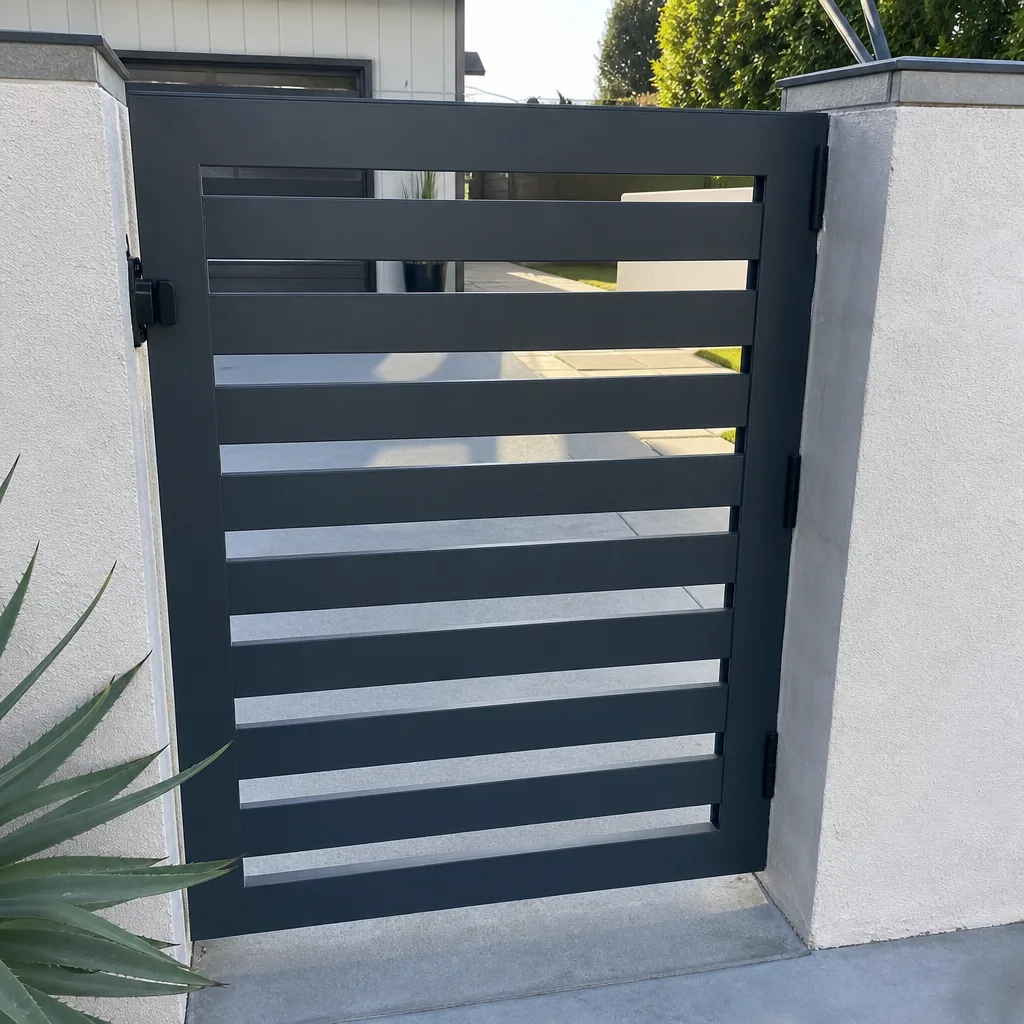
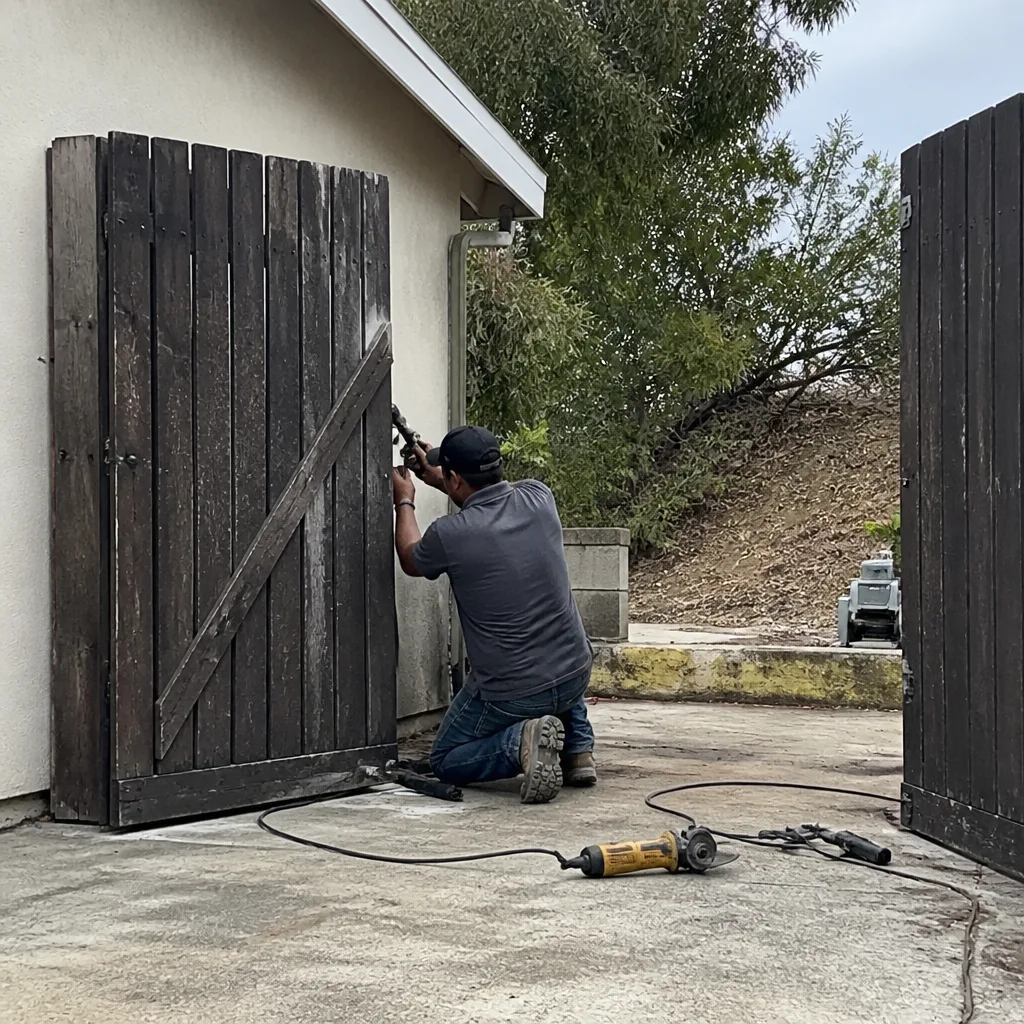
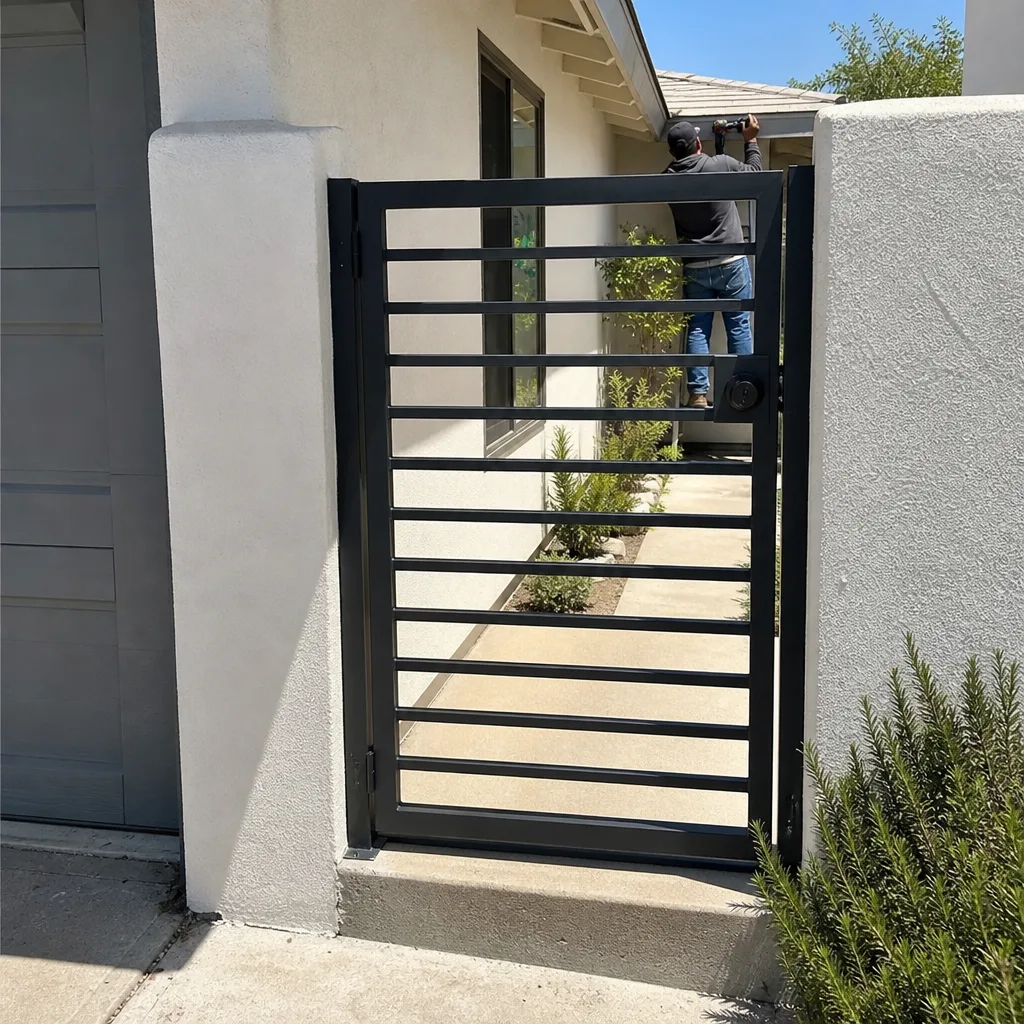
See the difference
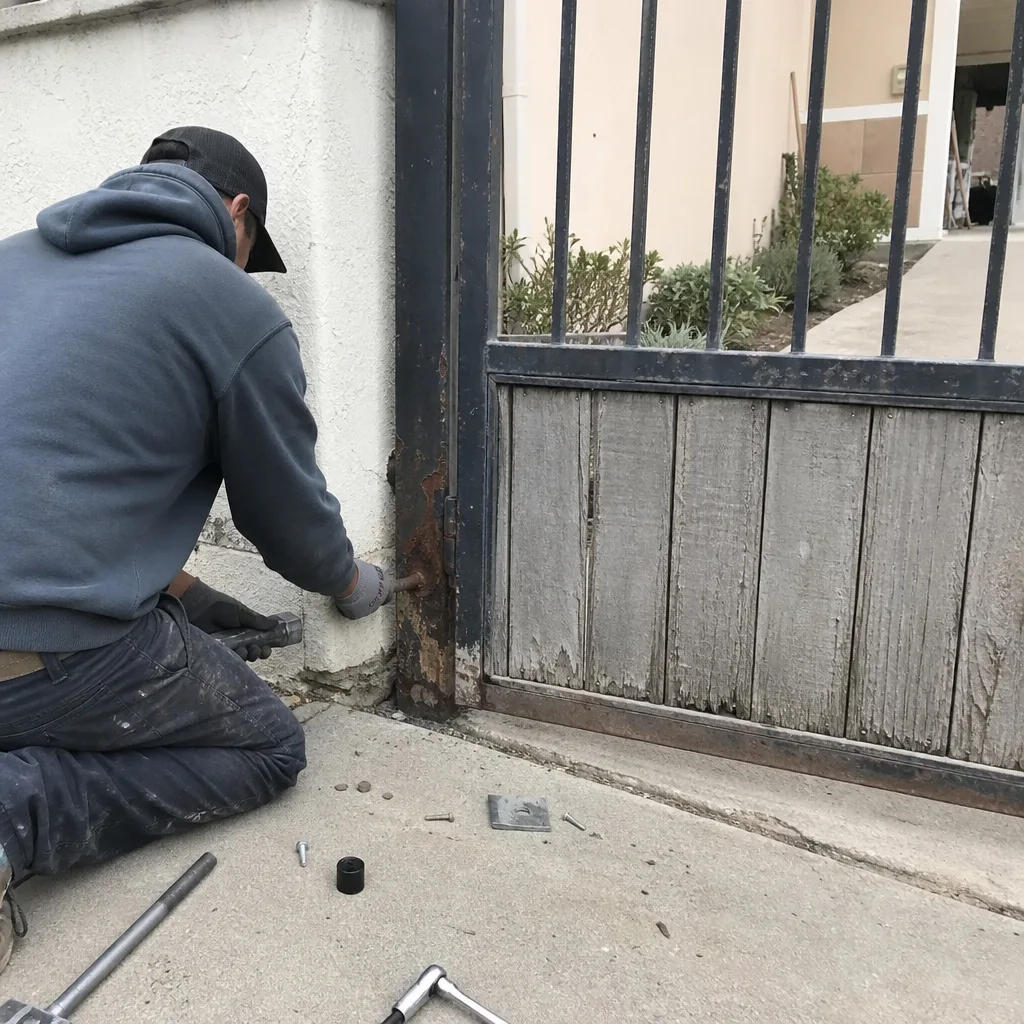 Before
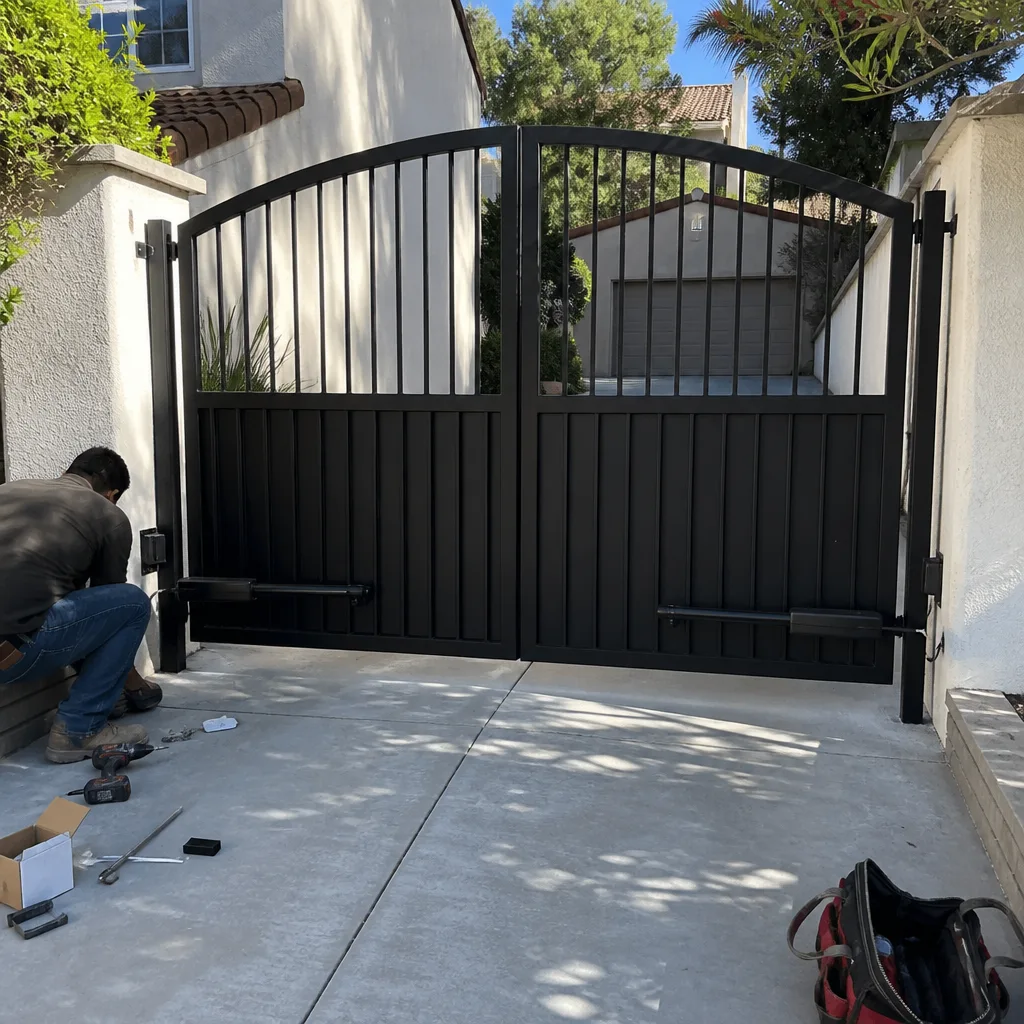 After
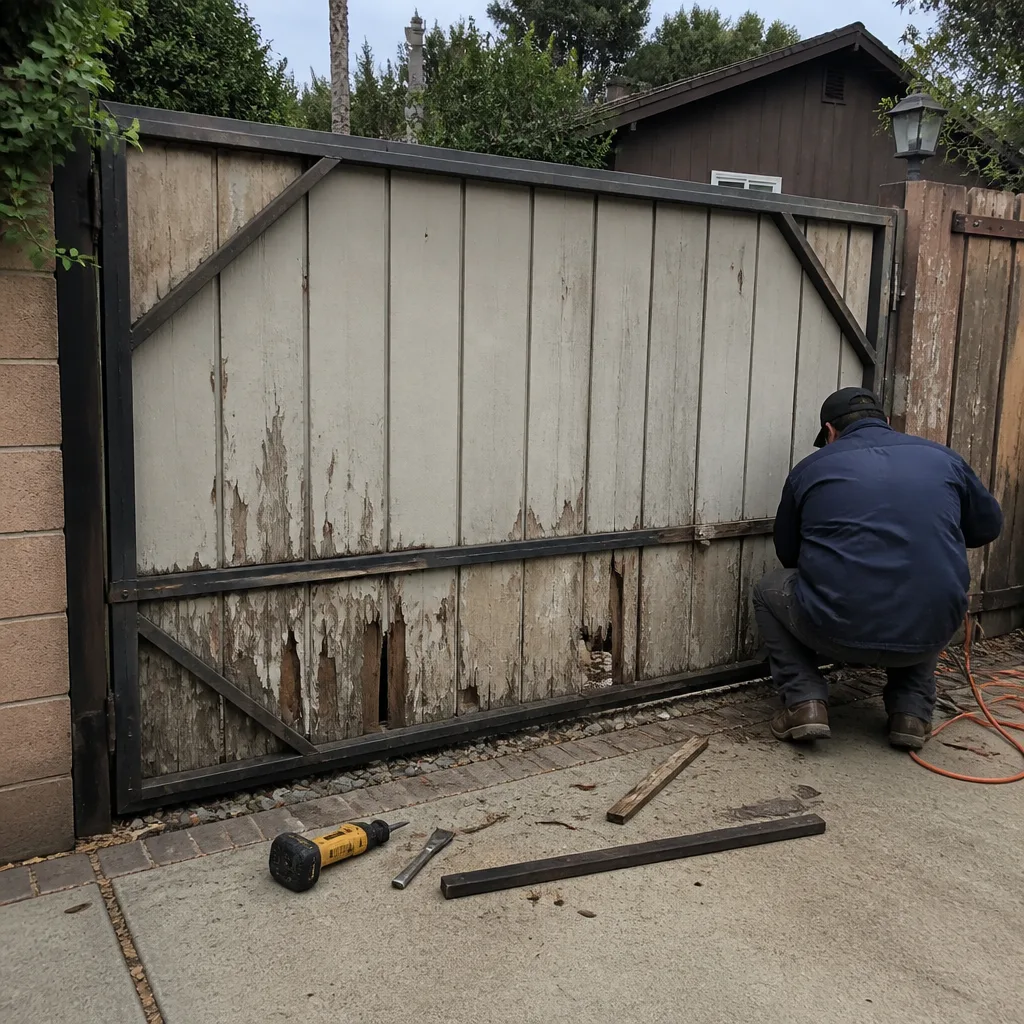 Before
 After
 Before
 After