
Last updated November 2, 2026
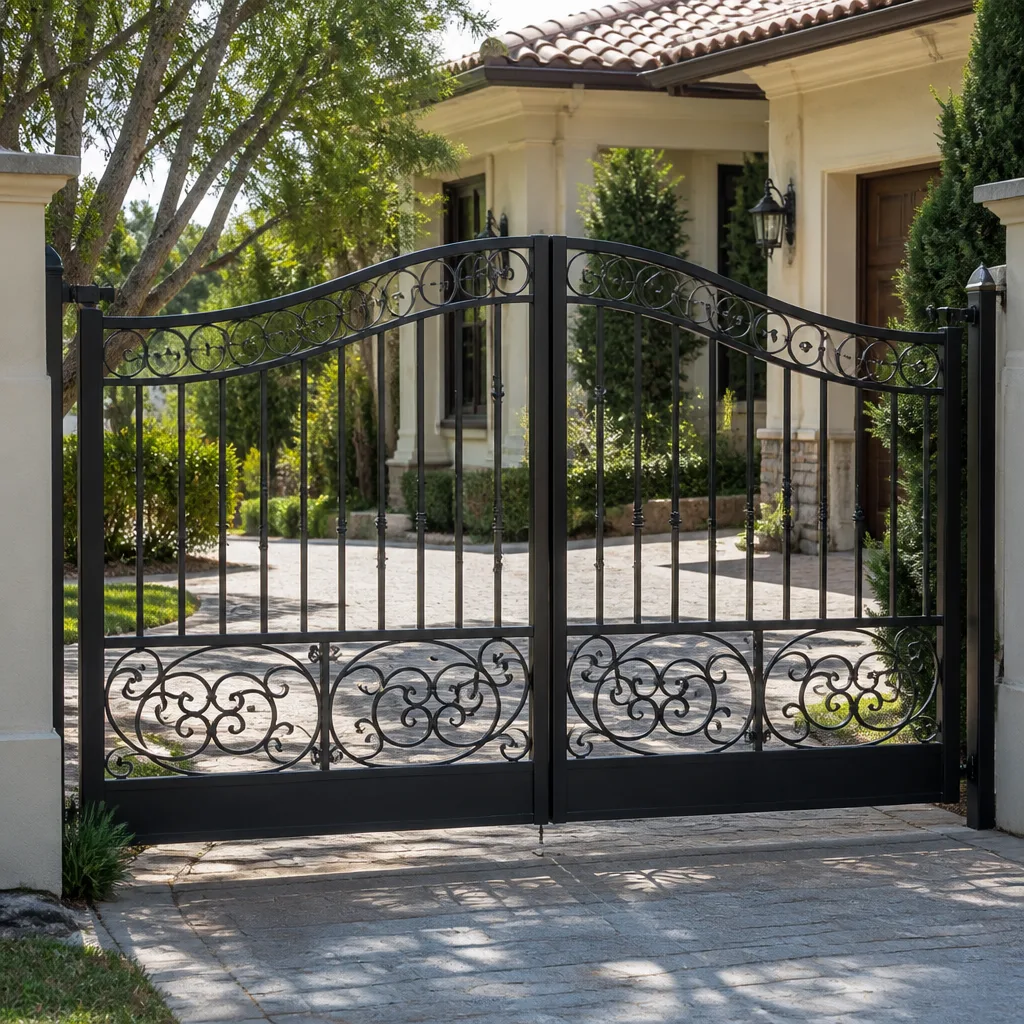 Wrought iron
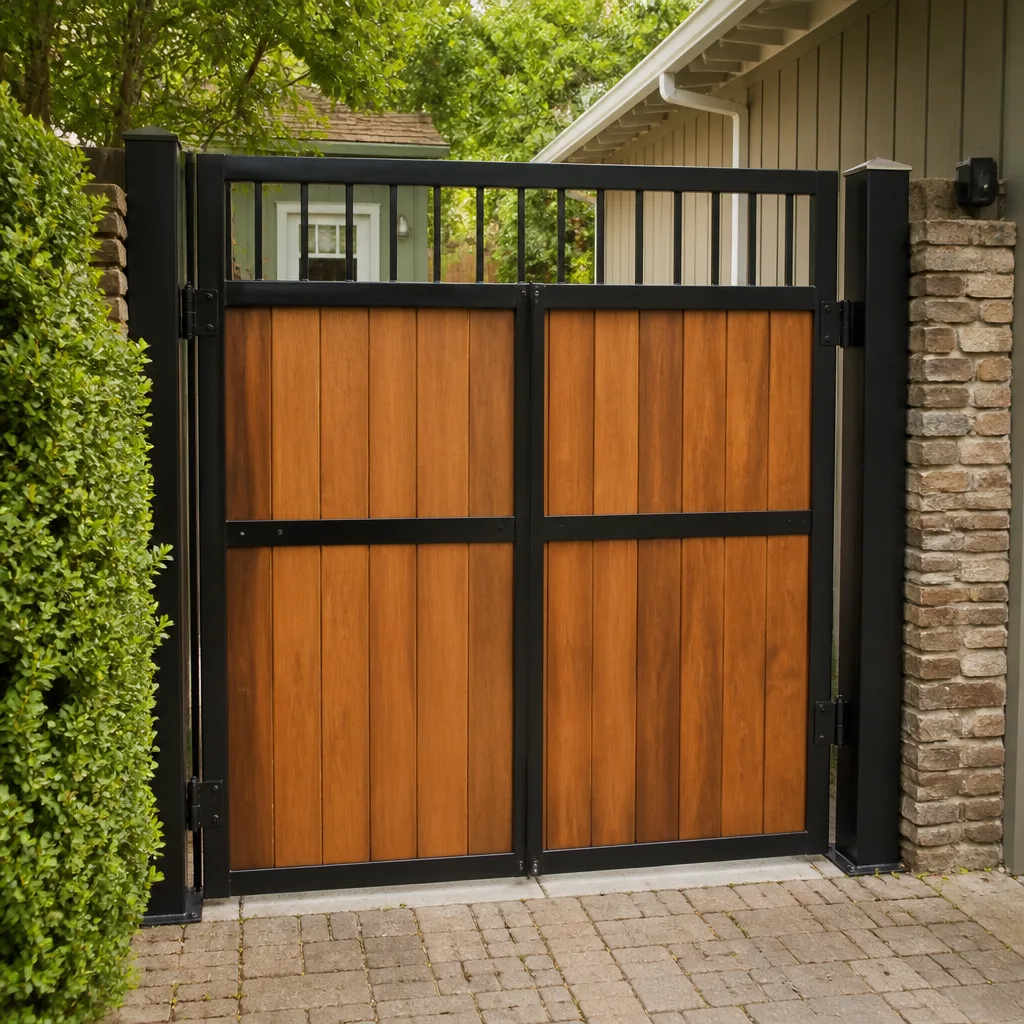 Wood & steel frame
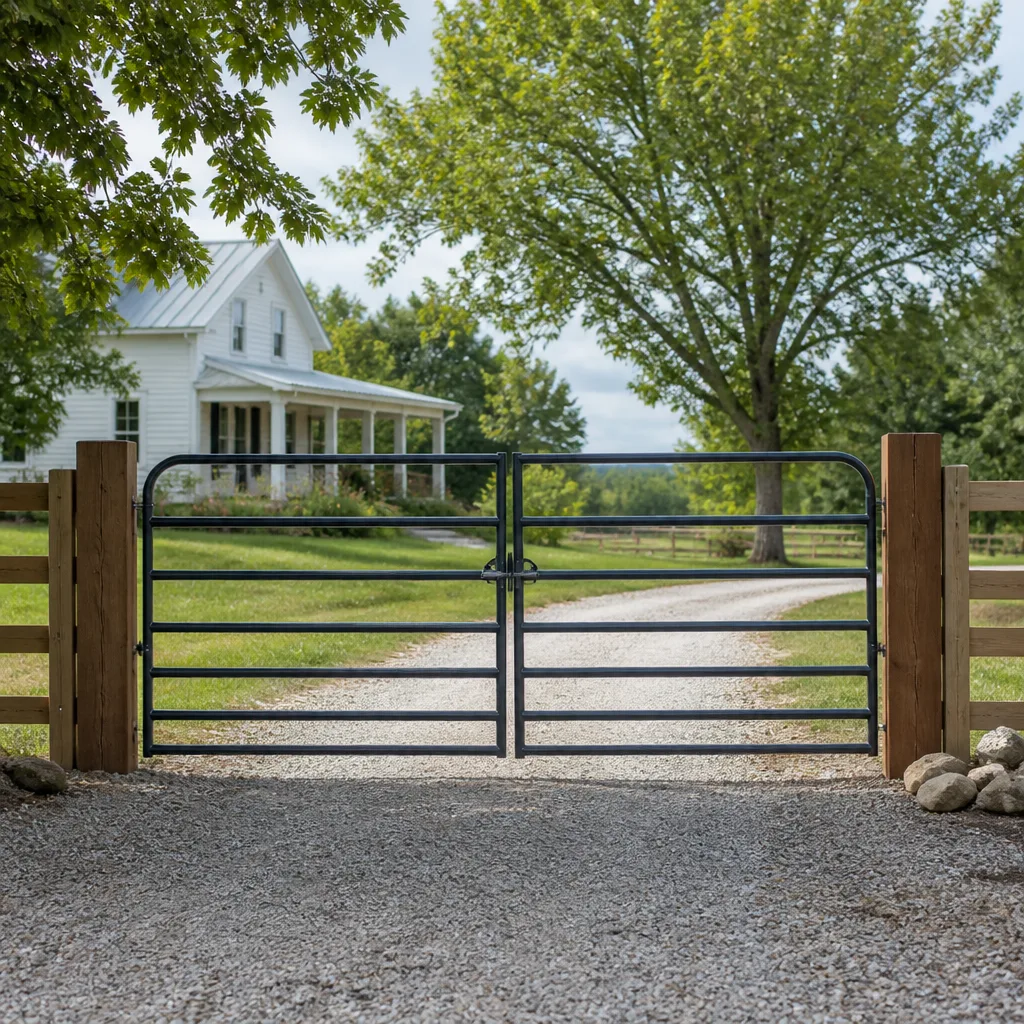 Farm & ranch
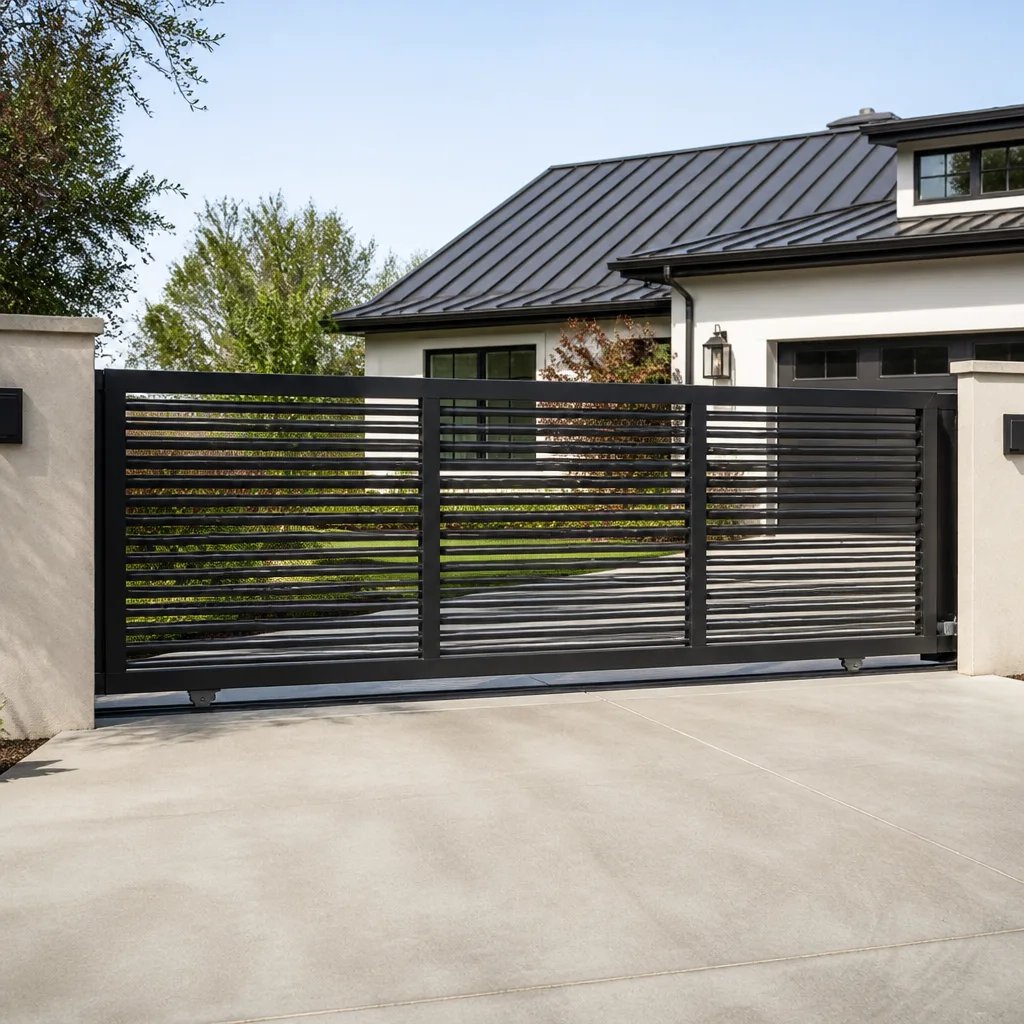 Sliding driveway gates
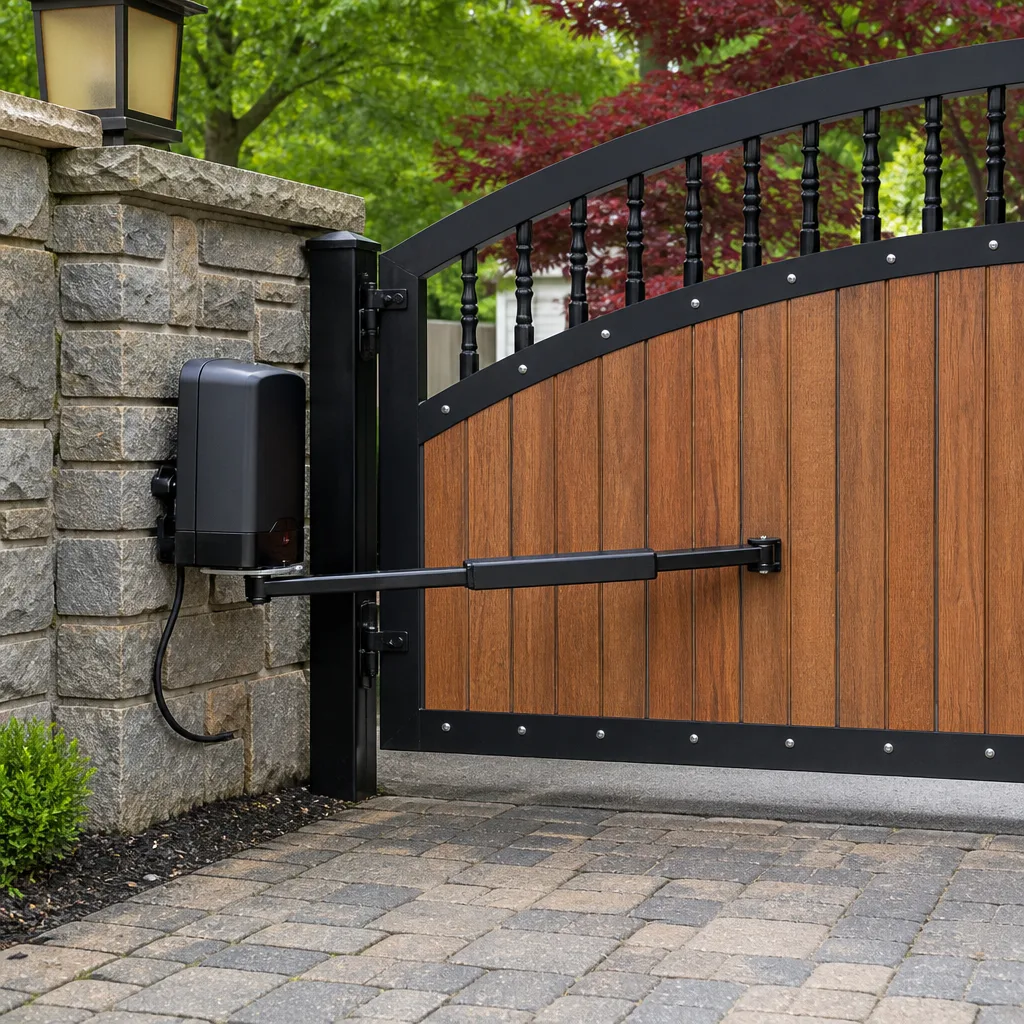 LiftMaster operators
Free on-site gate assessment - hinges, posts, and your LiftMaster or Nice gate operator checked before anything is quoted
The assessment is free and the quote is the invoice.
Get your free estimateGate Repair Permits, Codes & Inspections in CA: What You Need to Know
Here’s a fact most California homeowners only learn when it’s already costing them money: in this state, the trigger for a gate permit is not how much you spend. It’s what you touch. Swap out a rusted hinge and you’re fine. Replace the circuit board on a LiftMaster operator and you may have crossed into permitted territory without realizing it. We’ve seen a San Clemente homeowner reach escrow on a sale only to discover a motor replacement done three years earlier, without a permit, required a retroactive inspection and $1,400 in corrective work before the title company would clear the file. This guide draws the exact line between repair, alteration, and new installation under California code, so you know what needs a permit, what needs an inspection, and what needs nothing at all. For hands-on help, see Gate Repair Troubleshooting: Common Problems and How to Fix Them.
Styles & brands we work with
- Wrought iron
- Wood & steel frame
- Farm & ranch
- Sliding driveway gates
- LiftMaster operators
Quick Answer
In California, gate repair permits are triggered by scope, not price: any work that modifies the automatic operator, alters the electrical connection, or replaces a structural post generally requires a permit. Simple parts replacement like hinges, wheels, remotes, or a failed circuit board swapped for an identical part usually does not. UL 325 entrapment protection requirements apply to every repair touching a gate operator, and in San Clemente, the City of San Clemente Building Division reviews operator work while your HOA may separately control gate appearance and hardware finish.
Table of Contents
- What Actually Triggers a Gate Repair Permit in California
- Repair Permit vs. Alteration Permit: Where Common Gate Jobs Fall
- UL 325 and Why It Controls Almost Every Operator Repair
- San Clemente Building Division: What the City Inspects vs. What the HOA Controls
- Who Pulls the Permit: Contractor Responsibility vs. Homeowner Liability
- How Unpermitted Gate Work Shows Up in Title Searches and Escrow
- Step-by-Step: What a Compliant Gate Repair Looks Like
- What Permits and Inspections Actually Cost in San Clemente
What Actually Triggers a Gate Repair Permit in California
California building code does not require a permit for ordinary maintenance. The California Residential Code and California Building Code both define maintenance as work that restores a component to its original condition without changing its size, capacity, or function. That covers greasing a track, tightening bolts, replacing a cracked hinge, or swapping out the same-model battery backup on a FAAC operator. If the work restores what was already there, it’s maintenance. No permit, no inspection.
The line moves the moment you change what the gate does or how it does it. Replacing a failed Mighty Mule swing arm with an identical model is maintenance. Replacing it with a heavier-duty arm that increases the gate’s operating speed or travel force is an alteration, and alterations require permits in most California jurisdictions. Adding a new safety sensor or a second loop detector also changes the system’s safety profile, which triggers review.
Here’s the practical breakdown we use when diagnosing a job:
- No permit needed: hinge replacement, wheel and roller replacement, remote programming, keypad replacement, track lubrication, minor welding on non-structural brackets, replacing a failed circuit board with the identical part number.
- Permit typically required: replacing an operator with a different model or brand, adding or relocating entrapment protection devices, altering the gate’s weight or balance point, replacing a structural post or foundation anchoring, any new electrical branch circuit for the operator.
- Grey zone worth a call: extending the gate leaf width, changing swing to slide direction, or adding automation to a previously manual gate. Some jurisdictions treat adding automation as a new installation, not a repair, and require both an electrical permit and an operational inspection.
In San Clemente specifically, the Building Division follows state code closely but has its own plan-review thresholds for gate operator work. A tech who pulls permits elsewhere in Orange County may not know that San Clemente asks for a site plan sketch when the operator replacement changes the gate’s safety layout. That local knowledge is why Electric Gate Repair in San Clemente work benefits from a specialist, not a general handyman who does not pull gate permits often enough to know the city’s quirks.
Repair Permit vs. Alteration Permit: Where Common Gate Jobs Fall
California building departments use two distinct permit categories for existing gates, and homeowners routinely file for the wrong one. A repair permit covers work that restores function without changing design or capacity. An alteration permit covers work that changes the gate’s configuration, operation, or safety characteristics. The difference matters because alteration permits require plan review and often an engineer’s stamp, while repair permits usually go through over-the-counter review.
Here is how the most common gate jobs sort between the two:
- Repair permit: replacing a broken chain on a slide gate, rewiring a Viking operator with the same gauge and circuit path, patching and re-welding a cracked weld on a non-load-bearing cap rail, replacing a failed loop detector with the same model.
- Alteration permit: changing a single-leaf swing gate to a bi-fold gate to fit a wider driveway, converting a manual gate to automated operation, extending a slide gate’s leaf by more than a foot, changing operator type from hydraulic to electromechanical, adding a pedestrian gate that requires a new post.
- New installation: any gate built from scratch, including its posts, operators, and electrical run. This gets treated as a full construction project with its own set of inspections.
One detail most homeowners miss: repairing a gate operator with a different brand than the original can still be classified as an alteration even if the gate itself does not change. That is because each operator brand, whether it’s a Ghost Controls residential unit or a DoorKing commercial swing operator, has different force settings, entrapment protection defaults, and electrical loads. The city wants to review that swap before it goes live. If you’re in San Clemente and uncertain which category your job falls into, a quick call to the Building Division with your gate’s model number resolves it in minutes.
UL 325 and Why It Controls Almost Every Operator Repair
UL 325 is the Underwriters Laboratories standard for gate and door operators, and in California it is referenced directly in the California Electrical Code. Every automatic gate operator installed or modified in the state must comply with UL 325 entrapment protection requirements. That means any repair to an automated gate that involves the operator, the controls, the safety sensors, or the force settings technically triggers a compliance check against UL 325, even if the work itself is minor.
Here is what UL 325 requires on every automatic gate in California, and what we check on every service call in San Clemente:
- Entrapment protection devices: every automatic gate must have at least two independent forms of entrapment protection, such as a reverse-sensing edge and a photo eye. If your repair touches the operator, both of those must be functional before the gate can return to service.
- Force settings: the operator’s maximum closing force must not exceed the UL 325 limit for your gate class. A gate that closes too hard is a code violation, full stop. We routinely find older LiftMaster and Mighty Mule installs where someone cranked the force up to compensate for a dragging wheel, which is how entrapment injuries happen.
- Manual release: every gate must have a manual release mechanism accessible from outside the gate so a first responder can open it without power. If your repair alters the operator or the gate’s mechanical path, that release must be verified.
- Warning signage: automatic gates require permanent warning signs affixed to both sides of the gate leaf. Missing signs are a UL 325 violation and a common inspection failure in San Clemente, especially on commercial properties where the sign rusted off years ago.
When we replace an operator on an Elite or FAAC commercial unit, we do not just bolt on the new motor. We verify the entire safety loop against UL 325, because the inspector will. No city in California signs off on an operator permit without seeing entrapment protection work.
San Clemente Building Division: What the City Inspects vs. What the HOA Controls
San Clemente is a city with jurisdiction over building permits and code enforcement, but it has an unusually high concentration of HOAs for a city of its size. The result: two separate approval processes that often get confused. The City of San Clemente Building Division reviews gate work for structural safety, electrical compliance, and UL 325 conformance. Your HOA, if you have one, reviews the same gate work for appearance, finish, color, and design standards. One approval does not cover the other, and property managers in master-planned communities like Talega, Forster Ranch, and Marblehead know this well.
What the City of San Clemente inspects:
- Electrical wiring from the panel to the operator, including conduit type, conductor gauge, and bonding.
- Gate foundation calls: post depth, concrete specs, anchor bolts, and bearing capacity.
- UL 325 entrapment protection systems and signage.
- Setback compliance, especially for gates that swing over a public sidewalk or into a right-of-way.
- Manual release accessibility for fire access.
What the HOA typically controls:
- Gate material, color, and overall design consistency with the community’s architectural standards.
- Placement and style of visible hardware like hinges, keypads, and phone entry panels.
- Landscaping around the gate and its adjacent pilasters.
- Noise limits on operators, particularly in detached single-family home developments where a Viking operator near a neighboring bedroom window can draw complaints.
The practical takeaway for a San Clemente homeowner: call the Building Division first for scope questions, and your HOA’s architectural committee before you pick a finish color. We have watched homeowners order a custom wrought-iron gate in a finish their HOA rejected, only to pay for a second powder coat. If you are planning a Gate Installation in San Clemente, run the design past your HOA before the contractor orders steel.
Who Pulls the Permit: Contractor Responsibility vs. Homeowner Liability
In California, the person whose name is on the permit is the person legally responsible for the work. But there is a persistent myth that hiring a licensed contractor fully transfers liability to the contractor. That is only partly true. If a contractor pulls the permit, the contractor is responsible for code compliance and scheduling inspections. But if the homeowner hires an unlicensed worker who does not pull a permit, the homeowner is the one on the hook, and most homeowners insurance policies will not cover damage caused by unpermitted work.
Here is how the responsibility chain actually works in San Clemente:
- Homeowner acting as owner-builder: the homeowner can pull an owner-builder permit for gate work on their own residence. The city then holds the homeowner directly responsible for code compliance, safety, and final sign-off. If the gate causes an injury later, the homeowner carries the legal exposure.
- Licensed contractor pulling the permit: the contractor’s license is tied to the permit, which is why cities like San Clemente ask for the contractor’s license number at permit issuance. The contractor is responsible for the work and for calling inspections.
- The shared risk nobody talks about: even when a contractor pulls the permit, the homeowner retains property-owner liability if the gate injures someone. A permit protects the property record. It does not shield the owner from a personal injury claim arising from a gate that was improperly maintained after sign-off.
We recommend homeowners always ask who is pulling the permit before work starts. If the answer is vague, get it in writing. A contractor who resists pulling a required permit is telling you something about how they run their business. In our experience, the jobs where we arrive to fix a botched gate install usually share one trait: no permit was ever pulled, and the original installer is no longer answering calls.
How Unpermitted Gate Work Shows Up in Title Searches and Escrow
Here is the part nobody tells you when you skip the permit to save a few hundred dollars. Title companies in California run permit history checks as part of standard escrow, and unpermitted gate work, especially operator and electrical work, shows up as a disclosure item. The seller has to disclose it. The buyer’s lender may flag it. And in a competitive market like San Clemente, where coastal properties move at premium prices, an unpermitted gate operator can become a negotiating chip that costs far more than the permit would have.
We have seen the escrow scenario unfold enough times in San Clemente to know the pattern:
- The seller replaced a broken LiftMaster operator six years ago without a permit. It works fine, no complaint.
- At escrow, the title report shows a gate operator installed in a year with no corresponding permit on record.
- The buyer’s agent asks for a retroactive inspection. The city requires plan review and a current-code compliance check, which often means upgrading the entrapment protection to current UL 325 standards.
- The seller pays between $800 and $2,000 in corrective work and inspection fees to close the sale, or the buyer negotiates a credit and handles it after closing.
The opener story at the top of this guide, the San Clemente homeowner who paid $1,400 at escrow, is not unusual. It is the middle of the bell curve. The fix is simple: pull the permit when the work crosses the threshold, keep the final inspection card, and file it with your house documents. That single sheet of paper prevents the entire negotiation.
Step-by-Step: What a Compliant Gate Repair Looks Like
When a gate repair in San Clemente requires a permit, the process is predictable if you know the order of operations. Here is the sequence we follow on every permitted operator replacement or structural repair we handle:
- Determine scope with the Building Division: describe the repair, the gate type, the operator brand, and the electrical plan. The city tells you whether it’s a repair permit, an alteration permit, or a full installation permit. This step costs nothing and takes one phone call.
- Pull the permit before ordering parts: in San Clemente, permit issuance for gate operator replacements is typically same-day or next-day for simple repair permits. Alteration permits with plan review can take one to two weeks. Do not schedule a concrete pour until the permit is in hand.
- Complete the work to current code: install the operator, wiring, safety edges, photo eyes, and signage to the UL 325 standard and current California Electrical Code. If the old gate did not have a manual release or entrapment protection, you are required to add it now, even if the permit is only for a repair.
- Call for inspection: San Clemente performs rough electrical inspections and final operational inspections on gate work. The final inspection includes a demonstration of the entrapment protection devices and the manual release.
- File the final sign-off card: keep the inspection sign-off with your property records. This is the document that proves compliance at escrow and settles title questions before they start.
For smaller jobs that don’t need a permit, the process is shorter: diagnose, repair, test the full safety loop, and document the work. Even on non-permitted repairs, we leave a service record listing what was replaced, because a future buyer’s home inspector will ask, and a dated service record is the difference between a clean answer and an open question.
What Permits and Inspections Actually Cost in San Clemente
Permit fees for gate work in San Clemente are modest compared to the cost of the gate itself, which is the first argument for doing it right. Repair permits for operator replacements typically run in the low hundreds, while alteration permits with plan review can push toward $400 to $600 depending on the scope. Inspection fees are usually included in the permit fee, though re-inspection carries an additional charge if the work fails the first visit.
Here is a realistic picture of permit-related costs in the San Clemente market, based on the work we’ve been involved with:
| Scope | Typical Permit Cost | Typical Inspection Timeline |
|---|---|---|
| Operator replacement, same model | $120 – $200 | Final inspection within 1 – 2 days of request |
| Operator replacement, different brand or size | $180 – $350 | Plan review 3 – 10 business days, then final inspection |
| Structural post replacement | $200 – $450 | Rough inspection at concrete pour, final inspection after gate rehang |
| Adding automation to a manual gate | $350 – $600 | Plan review, electrical rough, and final operational inspection |
These are ranges we see across Orange County’s southern cities, San Clemente included. The exact number depends on the valuation of the work, the number of inspections required, and whether the job is classified as repair or alteration. For an exact quote on your scope, call the San Clemente Building Division with your project details, or have us walk you through it. But remember: the permit fee is almost always cheaper than the escrow correction that follows unpermitted work.
Common Mistakes to Avoid
- Assuming all repairs are exempt. Replacing an operator with a different brand or larger capacity is often an alteration, not a repair. Check with the city before you buy the part.
- Ignoring UL 325 on a simple operator swap. The permit is about more than the motor. If your entrapment protection is outdated, the inspector will flag it, and you’ll pay for a re-inspection.
- Letting the HOA approval substitute for a city permit. In San Clemente HOAs like Forster Ranch and Talega, architectural committee approval covers appearance only. The city’s permit is what protects you at escrow.
- Hiring a general handyman for electric operator work. A gate operator involves force settings, loop detectors, and fail-safe wiring. A generalist who wires it wrong creates a hazard no permit will catch until someone gets hurt or the escrow report flags it.
- Not keeping permit records. The permit is worthless at resale if you lost the sign-off card. File it with your mortgage documents and keep a digital copy.
- Waiting until escrow to fix unpermitted work. By then you’re negotiating from a weak position. Pull the permit now, close the loop, and walk into escrow clean.
- Calling the wrong department. San Clemente’s Building Division handles code questions. Your HOA handles aesthetics. Calling the HOA about UL 325 gets you a polite dead end.
When to Call a Professional
If your gate repair involves the operator, the wiring, or a structural post, that is the moment to stop and call a specialist. A certified gate technician can identify permit triggers before you order parts, spot UL 325 issues the average homeowner will miss, and handle the permit paperwork from start to finish. Our Gate Repair services include free estimates in San Clemente – call (866) 282-7403 and describe what your gate is doing. We’ll tell you over the phone whether it’s a simple parts swap or a permitted repair, what the permit will cost, and how long it will take. No obligation, just a straight answer from someone who works on gates every day.
Frequently Asked Questions
You do not need a permit for routine maintenance like hinge replacement, remote programming, or replacing a failed part with an identical model. You generally do need a permit for work that changes the gate’s operator, safety systems, or structural components. When in doubt, call your local building department, because in San Clemente a quick phone call resolves the question faster than guessing. You can also browse more guides & resources on our site.
A repair permit covers work that restores your gate to its original function without changing design or capacity. An alteration permit covers work that changes how the gate operates, such as converting a manual gate to automatic or swapping in a different operator type. Alteration permits require plan review, which adds time and cost.
Yes. UL 325 is referenced in the California Electrical Code and applies to every automatic gate operator, residential and commercial. It requires entrapment protection, force limits, a manual release, and warning signage. Any repair involving the operator triggers a compliance check against UL 325.
In most cases, yes, if the replacement motor differs from the original, changes the safety layout, or involves new electrical work. San Clemente’s Building Division classifies same-model swaps as maintenance but reviews brand or capacity changes as alterations. The city can confirm your specific case over the phone.
Unpermitted gate work often appears in title search reports during escrow, triggering seller disclosure requirements and potential buyer credit negotiations. The buyer’s lender may also flag the issue. Correcting it at escrow typically costs more than the original permit would have, and the process adds friction to an already stressful transaction. For a broader look at keeping your gate in top shape and protecting your property, visit our Gate Repair in San Clemente page.
In California, the property owner carries ultimate liability for injuries caused by a gate on their property, regardless of who performed the work. If the work was unpermitted and the operator failed to meet UL 325, that liability exposure grows significantly. This is the strongest practical reason to pull the permit and keep the final inspection card.
The Bottom Line
California’s gate permit rules are predictable once you understand the trigger: scope, not cost. Maintenance stays permit-free, alterations require review, and every operator repair must satisfy UL 325 entrapment protection. In San Clemente, you are dealing with two overlays, the city’s Building Division and your HOA, and neither substitutes for the other. Unpermitted work does not disappear; it surfaces at escrow, usually at the worst possible moment. Pull the permit, keep the paperwork, and if you need help navigating any of it, call Gate Repair San Clemente home office at (866) 282-7403. We work on your brand, not around it, and we can tell you over the phone what your repair actually requires.
Written by the team at Gate Repair San Clemente, serving San Clemente since 2012.
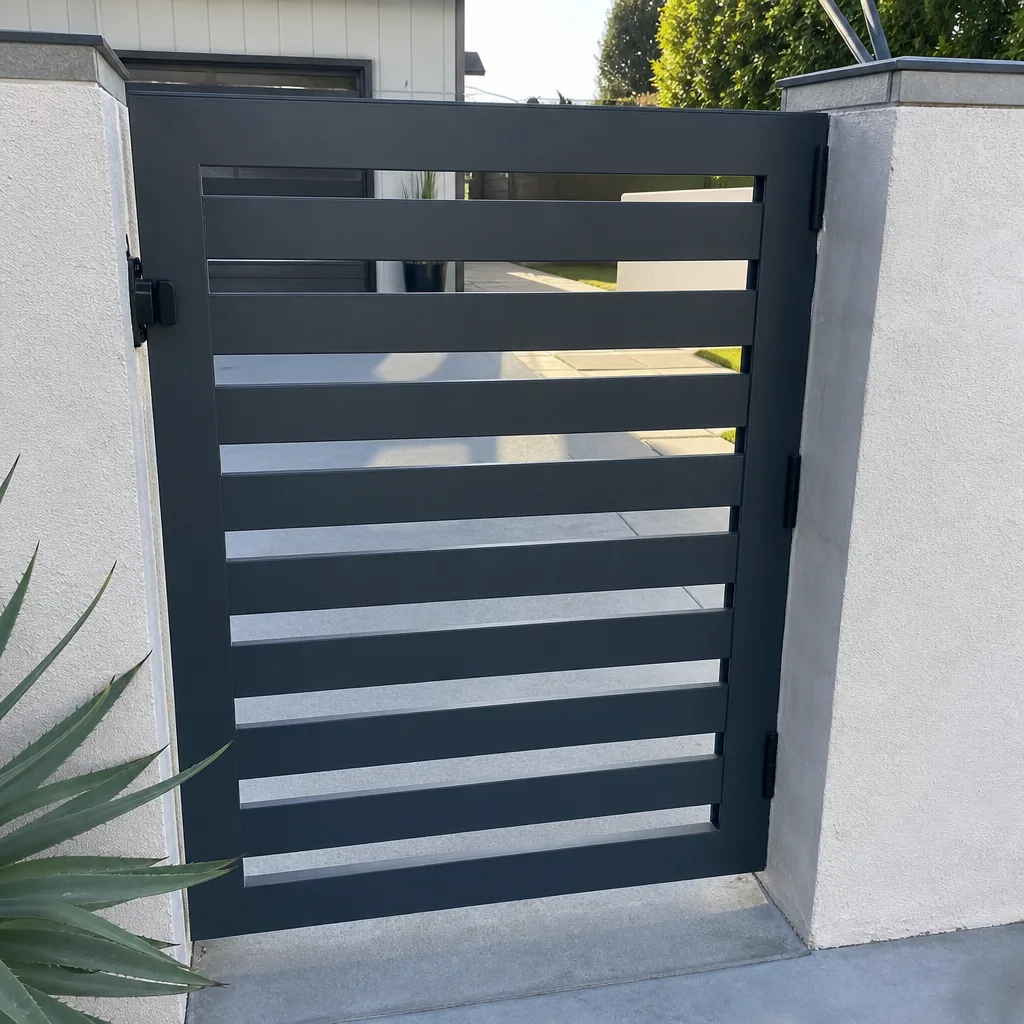
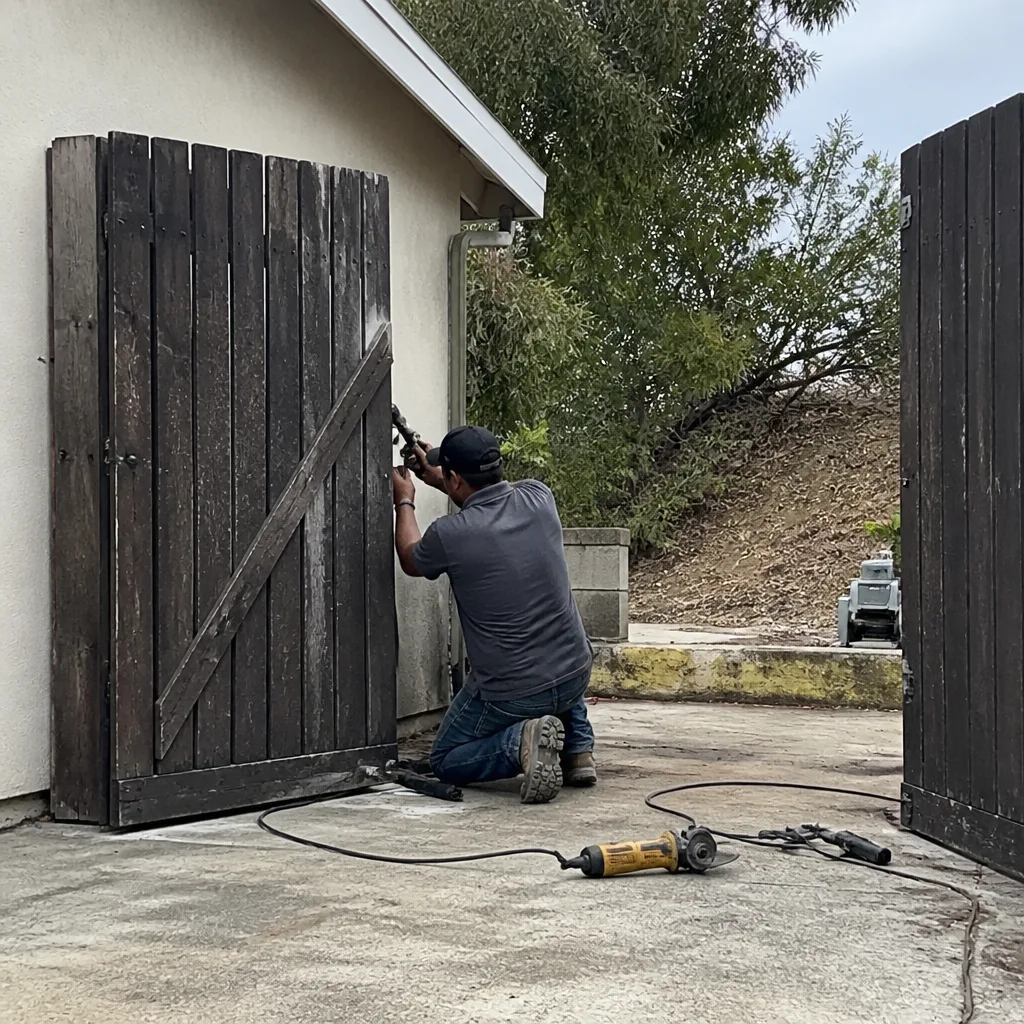
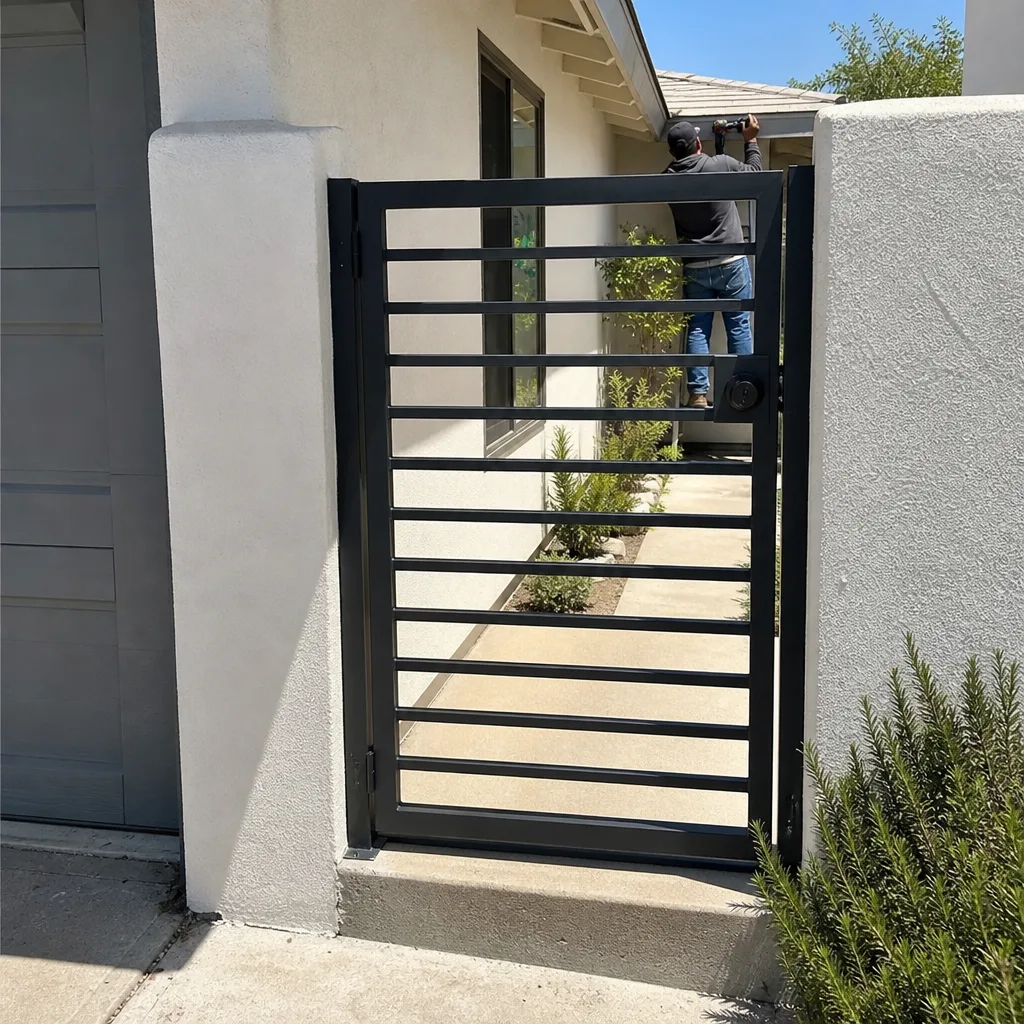
See the difference
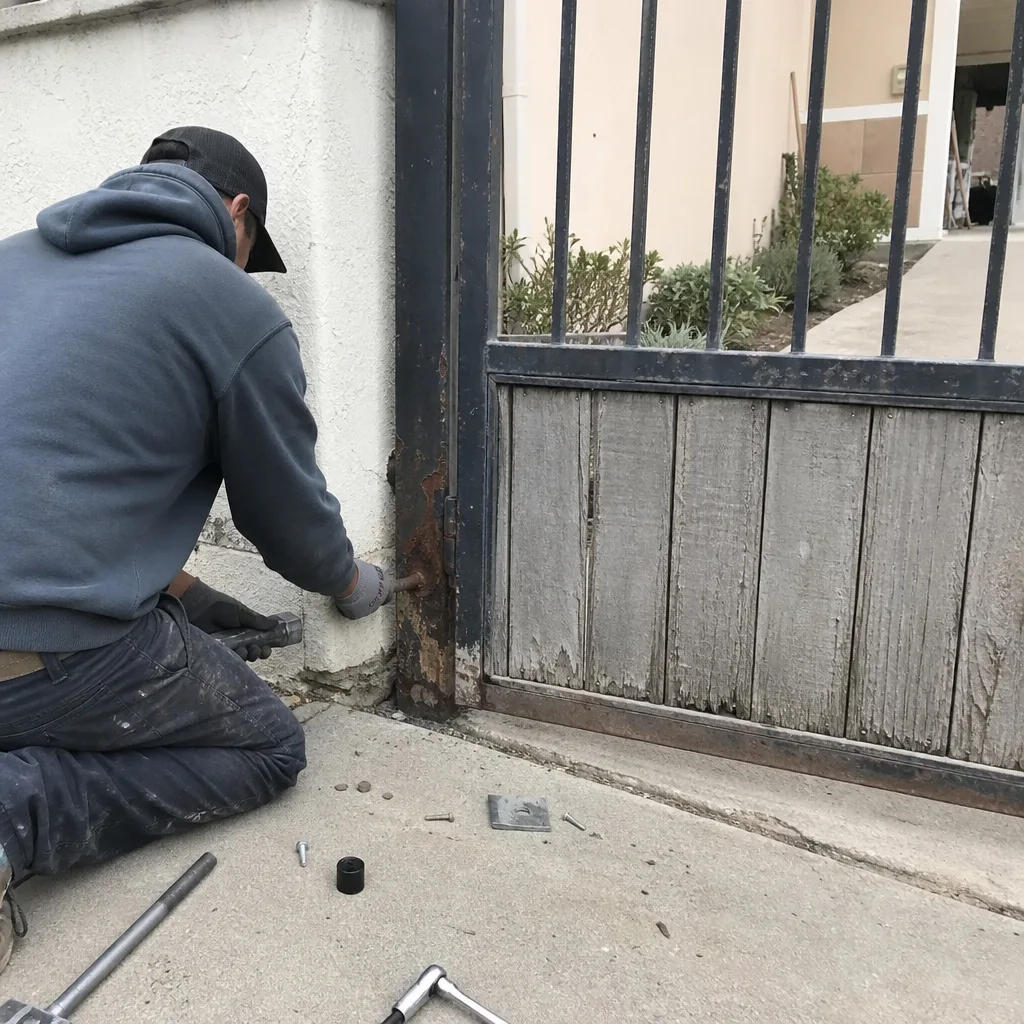 Before
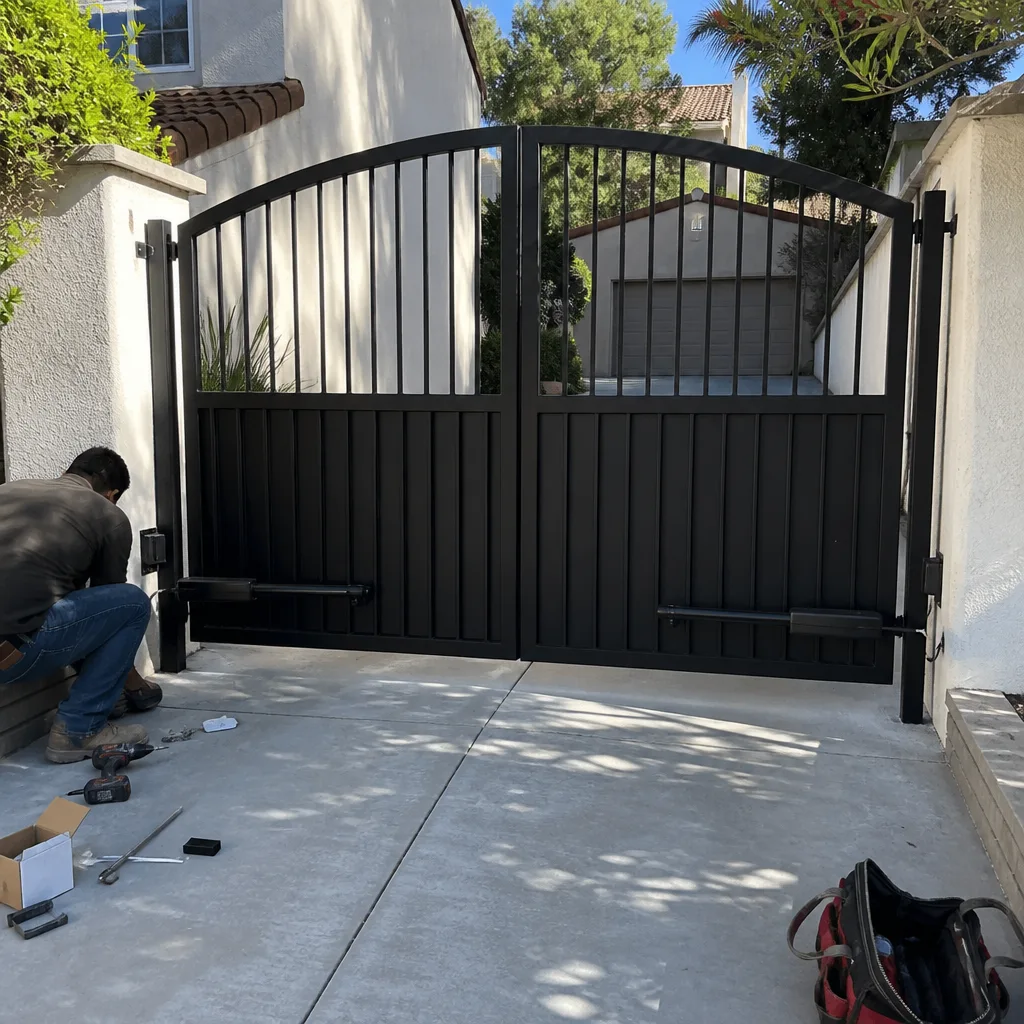 After
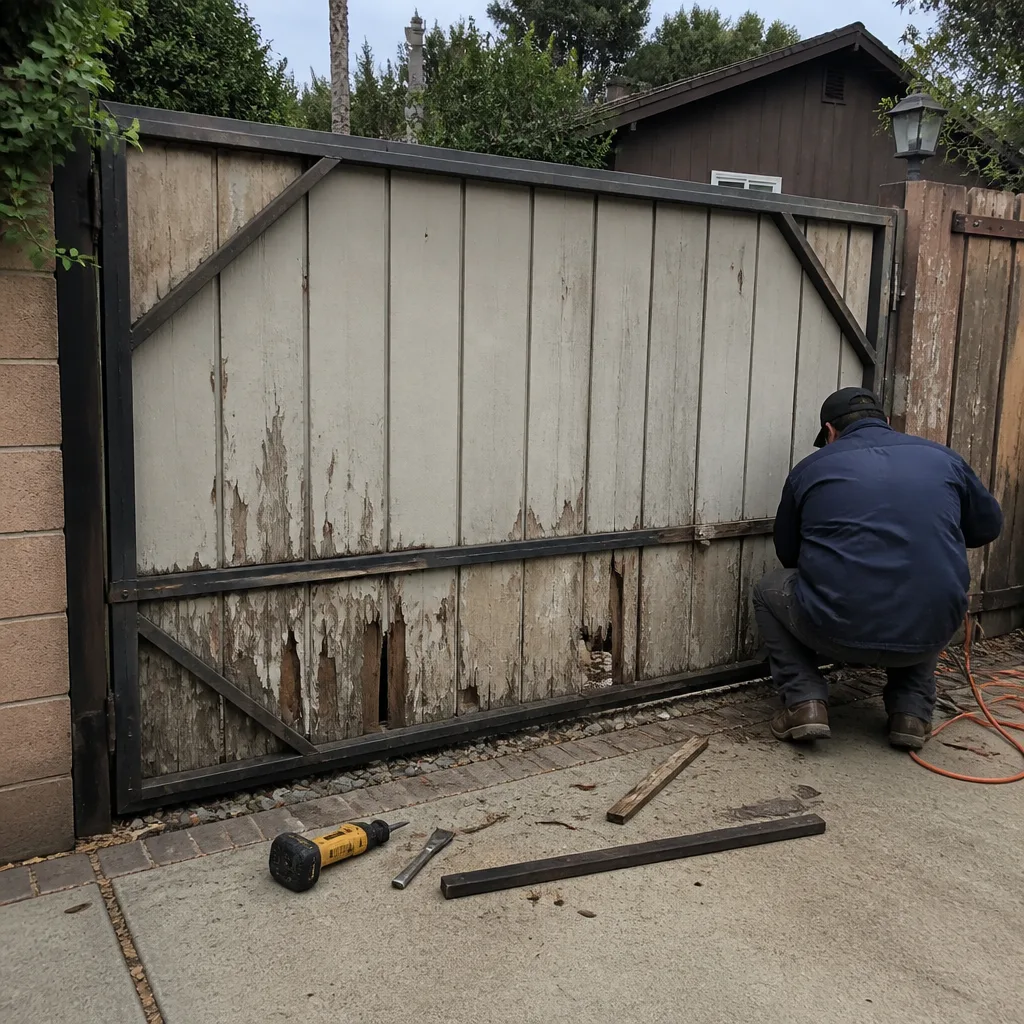 Before
 After
 Before
 After